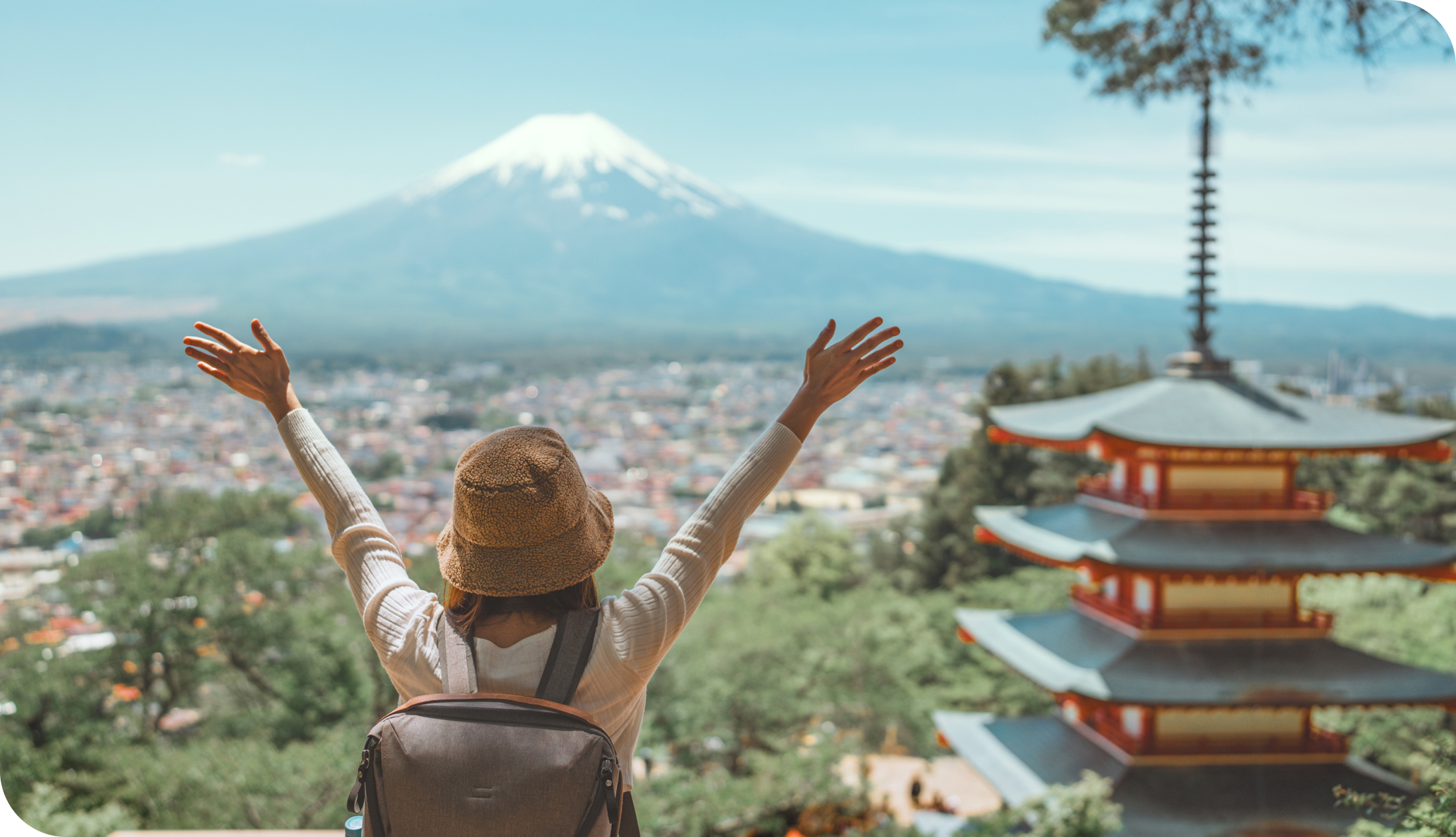


Backpacking across Japan is a bucket-list adventure for many young travellers, offering an intoxicating blend of ultramodern cities, ancient temples, stunning natural landscapes, and unique cultural experiences. From the neon-lit streets of Tokyo to the serene shrines of Kyoto, Japan is a destination that captivates the imagination. However, Japan also has a reputation for being pricey, a factor that can intimidate budget-conscious backpackers. Can you really explore Japan on just £50 a day? The answer is yes, it’s possible with savvy planning and a bit of flexibility. In this guide, we’ll break down exactly how to backpack Japan on a budget, covering typical daily costs, city-by-city expenses, cultural insights, money-saving tips, and why having travel insurance is essential for your journey.
Typical Costs of Backpacking in Japan
Overall Budget Needed
When planning a Japan backpacking trip, one of the first questions you’ll ask is likely, “How much will it cost per day?” The average daily cost of backpacking in Japan ranges from about £40 to £100, depending on several key factors:
- Travel Style: Are you a shoestring traveller happy with dorm beds and konbini (convenience store) meals, or do you prefer more comfort? Budget backpackers often opt for hostels, capsule hotels, and street food, while others might splurge on private rooms and sushi dinners.
- Trip Duration & Timing: The longer your trip, the more you can spread out big expenses. Staying in one place longer can unlock weekly discounts on accommodation and cheaper regional travel passes. Additionally, when you travel matters, visiting in off-peak seasons (e.g. winter months) or avoiding cherry blossom and autumn foliage peak weeks can lower costs for accommodation and transport.
- Destinations: Major cities like Tokyo or Kyoto tend to be more expensive than smaller cities or rural areas. For example, a bed in a Tokyo hostel dorm might cost around £30, whereas the same in a smaller city like Hiroshima can be under £20. We’ll compare specific cities in detail later.
- Group vs Solo Travel: Travelling with friends can help cut costs. Splitting Airbnb apartments, ride-shares or family-style meals can significantly lower your per-person expenses. Solo travel in Japan is very doable (and common), but you won’t have the advantage of sharing costs on private rooms or taxis. (On the plus side, Japan is extremely safe and friendly for solo explorers, more on that later!).
Daily Budget Overview
Understanding your daily budget is crucial for a successful trip. Here’s a breakdown of what to expect:
1. Low-end Budget
- Cost (Per Day): £40, £55/day
- Description: Sticking to ~£50/day is challenging but realistic. Accommodation will be basic, think hostel dorms or capsule hotels for £15, £30/night. Many capsules and hostels in Japan are clean and comfortable, so you won’t feel like you’re skimping too much. Meals involve street food, convenience store bentos, or budget eateries (a bowl of ramen or curry can cost as little as ¥300, ¥700, around £2, £5). Transport is frugal: you’ll rely on public buses, the metro, and occasional overnight buses instead of bullet trains, averaging £5, £15 per day. Activities focus on free attractions (shrines, parks, walking tours) or very cheap local experiences (~£0, £10). This budget is ideal for backpackers determined to stretch their funds and is proof that Japan can be done on the cheap.
2. Mid-range Budget
- Cost (Per Day): £60, £90/day
- Description: Accommodation might include comfortable hostel private rooms or budget hotels (£25, £60/night) for a bit more privacy. Meals are a mix of cheap eats and the occasional sit-down at local cafés or casual restaurants (£8, £20 per meal). You’ll likely use a JR train or two: public transport costs around £10, £20 per day (including maybe a regional train or an occasional taxi split with friends). Activities could include a few paid museum entries, temple fees, or guided tours, adding £10, £30 daily. This budget lets you enjoy more of Japan’s cuisine and sights without overspending, it’s a comfortable middle ground that most backpackers 18,35 opt for.
3. High-end Budget
- Cost (Per Day): £90+/day
- Description: This covers travellers seeking more luxury or flexibility while backpacking. Accommodation may be in hotels, traditional ryokans, or high-end hostels, ranging £60, £150/night (perhaps even a night in a ryokan with onsen for the cultural experience). Meals include frequent dining at nice restaurants or indulging in sushi bars and izakayas (£20, £50+ per meal). Transport might involve several bullet train rides or even domestic flights, plus taxis for convenience (£20, £50/day). Activities focus on premium experiences, think a guided food tour, a ticket to Tokyo Disneyland, or a Mount Fuji climbing tour (£30, £100). This budget is for those who don’t mind spending more for comfort and bucket-list experiences, while still carrying a backpack.
Cost Breakdown
To further clarify how much it costs to backpack across Japan, let’s delve into a detailed breakdown of specific expenses by category:
- Accommodation: Japan offers a range of accommodation options, from budget dorm beds to unique stays. You can expect to pay roughly £15, £35 per night for a hostel dorm bed in most cities (often on the lower end outside Tokyo). Capsule hotels, a Japanese specialty, typically cost around ¥3,000, ¥5,000 (≈£18, £30) per night for a cozy pod, and are great for solo travellers looking for a novel experience. In big cities like Tokyo, dorm beds tend toward the higher end (¥4,000+), though deals exist, one creative Tokyo hostel even offered tent camping indoors for ~£14/person! For couples or those staying a week or more, private Airbnb apartments can be very cost-effective. Longer stays often come with steep discounts (e.g. 50% off for a week in Osaka), bringing nightly costs down to as little as £13 per night for two people (about £6.50 each). In rural areas or less touristy cities, you might find homestays, guesthouses, or even temple lodging at budget rates. Wherever you stay, book early, Japan is popular, and the cheapest beds in hostels or capsules can fill up fast, especially in peak seasons.
- Food & Drink: Food in Japan is delicious and can be amazingly budget-friendly. If you’re willing to eat like a local, you’ll find that most everyday meals won’t break the bank. It’s common to get a tasty meal for under ¥1000 (≈£5) in Japan. Popular budget options include ramen shops, curry houses, donburi (rice bowl) chains like Yoshinoya or Matsuya, and convenience store meals. At chains such as these, a filling meal can cost just £2, £5. Konbini (7-Eleven, FamilyMart, Lawson) sell ready-to-eat items like onigiri (rice balls for ¥120) or bento boxes for ¥500, ¥600, perfect for cheap breakfasts and lunches. Street food is also inexpensive: try Osaka’s takoyaki (octopus balls) or Kyoto’s matcha ice cream for just a couple of pounds. For mid-range dining, local izakayas (pub restaurants) or casual eateries might run £8, £15 per meal, still quite reasonable. Even sushi can be affordable if you go to kaiten-zushi (conveyor belt sushi), plates often cost ¥100, ¥200 each, and you pay by the plate (many report being totally full for under ¥1500/£10!). To save money, take advantage of supermarket discounts on prepared food after 7pm (many grocery stores mark down sushi, sashimi, and salads by 20,50% later in the evening). And if your accommodation has a kitchen, consider cooking occasionally, groceries in Japan are priced similarly to the UK for staples, and it can be fun to shop in a Japanese supermarket. Bottom line: eating on £10,£15 a day in Japan is very doable if you stick to local favorites and avoid Western-style restaurants or hotel dining.
- Transportation: Japan’s transportation network is world-class, clean, and efficient, but the costs can vary greatly depending on how you travel. In cities, local transport is quite affordable: a metro or bus ride typically costs ¥200, ¥400 (around £1.50, £3). Many cities have day passes or IC cards (like Suica/Pasmo in Tokyo) to cap daily spend. For example, one budget traveller in Japan spent only ¥800 (~£5) total on Kyoto’s metro and walked everywhere else! Intercity travel, however, can be a major expense. The famous shinkansen (bullet trains) are fast and comfortable but come with a high price tag, a one-way from Tokyo to Kyoto can cost ~¥9,000 (£50), and Tokyo to Hiroshima around ¥18,000 (£100). A Japan Rail Pass, which once was a backpacker staple, increased in price by about 70% in late 2023. A 2-week JR Pass now costs around ¥80,000 (£530), meaning it’s only worth it if you’re doing a lot of long-distance train travel in a short time. Many travellers now find it cheaper to buy single tickets or regional passes instead, or mix in slower trains and buses. Long-distance overnight buses are a lifesaver for the budget: they cost roughly half the price of shinkansen for the same route and double as accommodation for the night. For instance, a bus from Tokyo to Osaka might be ¥5,000 (£30) instead of ¥10,000 by bullet train. Companies like Willer Express offer bus passes (e.g. 5 rides for ~£87), and their buses are surprisingly comfortable. Within cities, walking and cycling can also save you money (and help you discover hidden gems). Many Japanese cities are very walkable, and some hostels offer bike rentals or free city tours. Lastly, keep aside a small budget for miscellaneous transport: maybe you’ll want to experience a ferry to a small island, rent a bicycle in Kyoto, or take a taxi after a late night in Tokyo. These aren’t daily expenses but good to factor in.
- Activities: The good news for your wallet is that many of Japan’s top attractions are extremely cheap or even free. Hiking through Torii gates at Fushimi Inari Shrine in Kyoto, free. Walking the bustling Shibuya Crossing in Tokyo, free. Visiting the tranquil Peace Park in Hiroshima, free (the museum is only about ¥200 entry!). Museums and temple/shrine entrance fees tend to be modest, usually ¥300, ¥600 (£2, £4) for temples and ¥500, ¥1000 (£3, £7) for museums. For example, marvelling at the Golden Pavilion (Kinkaku-ji) in Kyoto costs around ¥400, and a ticket to Himeji Castle is about ¥1000. As a rough estimate, expect to spend only £5 or so per paid activity on average in Japan, a far cry from the £20+ tickets common in other countries. Additionally, a huge number of attractions are entirely free: parks, shrines, famous districts, observatories (the Tokyo Metropolitan Government Building observatory offers a great city view for ¥0), and even some cultural experiences like walking tours or festivals. Many cities have free walking tours run by local volunteer guides , a great way to learn about the culture without spending a yen (though it’s polite to tip your guide). Of course, if you have room in your budget, Japan offers some incredible paid experiences, Studio Ghibli Museum (~¥1000) or teamLab Borderless digital art exhibit (~¥3200) in Tokyo, a traditional tea ceremony in Kyoto, or a theme park day at Universal Studios Japan (~¥8200). But none of these are required to enjoy Japan; you could fill weeks with amazing sights and spend virtually nothing on attractions. Prioritize what matters to you, take advantage of student discounts or combo tickets, and you’ll find activities are a small part of your Japan budget.
- Shopping & Essentials: While shopping isn’t a priority for many backpackers, you’ll want to budget for basic necessities and maybe a few souvenirs. Toiletries and personal care items in Japan are reasonably priced, often a few pounds for a toothpaste, shampoo, or sunscreen if you run out. Popular 100-yen shops (like Daiso or Seria) are a backpacker’s best friend for picking up anything from an extra phone cable to souvenirs to snacks, all for ¥100 each (around £0.65). It’s easy to splurge on Japan’s cute and quirky products, so set a limit for yourself. You might allocate £2, £5 per day in your budget for miscellaneous purchases, this could cover a vending machine drink on a hot day, coin laundry fees at your hostel, a fridge magnet from Akihabara, or an extra umbrella when caught in the rain (yes, you can get those at the konbini too!). If you’re a souvenir collector or love shopping, build a bit more into your budget for that Nintendo merch in Tokyo or a hand-crafted yukata from Kyoto’s markets. But if not, know that day-to-day essentials in Japan won’t cost much, often less than back home.
- Backpacker Travel Insurance: Backpacking through Japan is an adventure filled with excitement and potential mishaps. Travel insurance provides a crucial safety net, protecting you from unforeseen events like medical emergencies, theft, trip cancellations, or even natural disasters (Japan’s location means things like typhoons or earthquakes, while rare on trips, are not impossible). It ensures you have access to quality healthcare if you fall ill, reimbursement for lost or stolen belongings, and coverage to reschedule or cut your trip short without a massive financial loss. By investing in a good Backpackers travel insurance policy, you can explore Japan with peace of mind, knowing you’re covered if things don’t go as planned. (We’ll dive deeper into what Gigasure’s Backpackers Insurance covers, like real-time flight delay benefits, adventure sports, and more, in a later section. In short: don’t leave home without it!)
Examples of Cost Breakdown by Region/City
Backpacking costs can vary not only by your travel style but also by where in Japan you go. A night out in Tokyo or a stay in Kyoto will dent your wallet more than a day spent in a small countryside town. Below is a quick overview of average daily budget ranges you might expect in different parts of Japan (for a solo traveller on a budget to mid-range style):
1. Tokyo
- Typical Daily Budget (GBP): £50, £90 (budget to mid-range)
- Remarks: Japan’s capital is the most expensive spot on this list, especially for accommodation. However, many of Tokyo’s top attractions are free (e.g. Meiji Shrine, Asakusa’s Sensō-ji) or low-cost. You might spend more on food and nightlife here, but you can also find excellent cheap eats in every neighbourhood. Plan for higher accommodation costs (dorm beds ~£25, £35; capsules £30+, private rooms £50+), and use the extensive public transport (a day on the Tokyo Metro might cost £5,£8). Budget travellers sticking to hostels, konbini meals, and free sights can get by closer to £50/day, whereas mixing in a museum (¥1000) and a nice sushi dinner could push you toward £80,£90 for that day.
2. Kyoto
- Typical Daily Budget (GBP): £45, £80 (budget to mid-range)
- Remarks: The cultural heart of Japan is slightly gentler on the wallet than Tokyo. Many of Kyoto’s wonders, like wandering the Arashiyama Bamboo Grove or Fushimi Inari torii gates, are free, and even its UNESCO temples often cost just a few hundred yen to enter. Hostels here are plentiful; expect £20, £30 for a dorm (and often less outside peak spring/autumn). Food in Kyoto can be inexpensive if you stick to the hearty local fare (ramen, udon, curry) at £5, £10 per meal. A daily budget around £50 is doable for backpackers (especially if biking or walking instead of taking buses), but if you want to sample Kyoto’s famous kaiseki cuisine or catch a traditional performance, budget extra. Mid-range travellers enjoying the occasional splurge should expect around £70 per day.
3. Osaka
- Typical Daily Budget (GBP): £40, £70 (budget to mid-range)
- Remarks: Osaka is known for its street food and lively nightlife, yet it’s relatively affordable. Accommodation is a tad cheaper here, dorm beds can be found for £15, £25, and the city’s less touristy than Tokyo/Kyoto so prices are lower. Osaka’s famous Dōtonbori district will tempt you with takoyaki, okonomiyaki, and other treats that are both delicious and cheap (you can feast for under £10 a day if you’re dedicated to street food!). Many attractions, like the Osaka Castle Park (free to walk around, small fee for museum) or the Shinsekai neighbourhood, are inexpensive. An average backpacker can absolutely manage on £40, £50/day here, while someone sampling craft beer in Nemba or visiting Universal Studios Japan (£50+ ticket) will lean toward the higher end.
4. Hiroshima
- Typical Daily Budget (GBP): £35, £60 (budget to mid-range)
- Remarks: Hiroshima is generally very budget-friendly. Hostel prices often start around £15/night, and the city is compact enough to explore largely on foot or with a short streetcar pass. The profound Hiroshima Peace Memorial Museum costs only ¥200 (about £1.20) for entry, and the surrounding Peace Park is free, a must-visit that doesn’t hurt your budget. Food-wise, don’t miss Hiroshima-style okonomiyaki; you can get a generous serving for under ¥800 (~£5). A ferry to nearby Miyajima Island to see the floating torii gate is around ¥1800 return (£10), which might be one of your bigger expenses for activities. All told, Hiroshima offers a lot of value, even £35/day can go far if you’re frugal, and £50/day is plenty for a comfortable visit.
5. Rural Japan (small towns, countryside)
- Typical Daily Budget (GBP): £30, £50 (shoestring to budget)
- Remarks: Outside the big cities, the cost of living drops, as does the availability of hostels, so you might be in guesthouses or family-run inns. In the countryside or smaller towns, you might find simple lodging for £20, £30/night, especially if you opt for a tatami-mat room in a guesthouse or even camping in designated campsites. Transportation could be a bigger line item here since you may need to take buses or regional trains that aren’t covered by passes, but if you slow down and stay put in one region, you’ll save money. Rural areas often have local eateries where a hearty set meal (teishoku) goes for ¥800 (£5) or less. Many rural attractions like hiking trails, waterfalls, or community festivals are free. On the other hand, keep in mind some rural experiences (like a farm stay or a multi-day hiking lodge in the Japanese Alps) could be pricier, so costs can vary. Generally, though, exploring the quieter parts of Japan can be done very cheaply, the challenge is more about logistics than money.
Now, let’s look at each of these in a bit more detail with examples and tips for each destination:
1. Tokyo
- Average daily budget: Approximately £60, £90 (though determined shoestring travelers can do it for less, and it’s easy to spend much more if you’re not careful).
- Tokyo is a vast metropolis where you can spend a fortune without trying, but it also offers countless free and low-cost experiences for backpackers. Many of the city’s world-class attractions cost nothing: you can watch the swirling mass of humanity at Shibuya Crossing, stroll through the ancient grounds of Sensō-ji Temple in Asakusa, or enjoy panoramic city views from the Tokyo Metropolitan Government Building’s observatory , all for ¥0. Tokyo’s museums and paid attractions, like the TeamLab Borderless digital art exhibit or Tokyo Skytree observation deck, tend to be on the pricier side (¥2000+ each), so pick a couple of must-dos rather than trying to see them all. Transportation within Tokyo is efficient , get a prepaid IC card and enjoy the extensive train network. A typical day of bouncing around neighborhoods might cost ¥1000, ¥1200 (~£6, £8) in metro fares, but you can save by planning your sightseeing area by area (and walking between spots in the same district). Accommodation will likely be your biggest expense in Tokyo. Hostel dorms in central areas (Shinjuku, Shibuya, etc.) often run £25, £35 per night, but you can find cheaper by staying slightly further out (or in capsules). Booking a hostel in Asakusa or Akihabara, for example, might yield beds around £20 if booked early. Capsule hotels (usually segregated by gender) cost roughly £25, £40 and are a uniquely Japanese experience to try at least once. Food in Tokyo can either drain your wallet or be shockingly cheap: it’s home to some of the world’s best restaurants, but also fantastic budget eats. Join office workers for lunch at standing ramen bars where a bowl costs ¥500, ¥800, or hit up conveyor sushi where each plate is ¥100. With combinis on every corner, even breakfast and late-night snacks are sorted for just a few hundred yen. If you fancy a night out, note that drinks in Tokyo bars and clubs are expensive (£5-£8 a pint is common in Roppongi or Shibuya). To save money, pre-game with beverages from the convenience store or seek out happy hour deals. Tokyo rewards the frugal explorer: you could spend an entire day just people-watching in Harajuku, browsing Akihabara’s anime shops, and picnicking in Yoyogi Park for very little money. By mixing free activities with the occasional paid treat, backpackers can definitely keep Tokyo within a £50, £70 range per day.
Tip: Many museums in Tokyo (and across Japan) have discount days or free admission days, often for youths or on certain holidays. If you’re planning museum visits, check their websites, you might align your schedule to save a few yen. Also, take advantage of Tokyo’s numerous street food stalls and festivals for affordable eats, a yakitori skewer or taiyaki (fish-shaped pastry) for ¥300 makes a great budget-friendly snack while sightseeing.
2. Kyoto
- Average daily budget: Approximately £50, £80.
- Kyoto, with its tranquil temples, zen gardens, and geisha districts, is a highlight of many Japan trips , and thankfully, it can be enjoyed on a modest budget. Start with the fact that most of Kyoto’s iconic sights are either free or very cheap. Climbing the vermillion gates of Fushimi Inari Taisha costs nothing but energy, wandering the Gion alleys or Philosopher’s Path is free, and viewing the bamboo groves of Arashiyama or the autumn leaves in the parks doesn’t require a ticket. You could fill days in Kyoto without paying for attractions. Of course, some marquee sites like Kiyomizu-dera (¥400) or Kinkaku-ji (Golden Pavilion) (¥400) have small entrance fees, and they’re well worth it. One handy tip: Kyoto offers a bus day-pass (~¥600) that is great if you plan to hop between far-flung temples in a single day; otherwise, the city’s subway is limited but cheap (and walking or cycling are excellent options in the flat city center). Accommodation in Kyoto ranges from traditional guesthouses to modern hostels. There are a lot of hostels here due to the city’s popularity with young travelers, you might find dorm beds around £20 in low season, rising to £30+ in peak spring (cherry blossom) or autumn (foliage) when demand surges. Book early for popular periods, or consider staying in a nearby town (like Otsu or Osaka) and day-tripping in if Kyoto prices are high. Food in Kyoto can be very budget-friendly as well: try the local street food specialties in Nishiki Market (grilled mochi, skewered veggies, fried karaage chicken, etc.) where many items are a few hundred yen each. Every department store has a basement food hall (depachika) with prepared foods, go near closing time for discounts. And don’t miss trying Kyoto’s inexpensive student-favorite: ramen. There are famous ramen streets where a big steaming bowl goes for ~¥800. If you have a sweet tooth, Kyoto’s matcha (green tea) desserts are delicious and not too pricey, a matcha parfait or ice cream will set you back around ¥500,¥700. With a bit of planning, a backpacker can enjoy Kyoto’s splendor for £50 a day or less (especially if you’re staying in cheaper dorms and not moving around too fast). That said, Kyoto also offers some “splurge-worthy” cultural experiences, like a traditional tea ceremony, a geisha dinner show, or a night in a ryokan with kaiseki dinner, which can blow your daily budget if you partake. If those are on your list, budget an extra £100+ for the day and consider it a very special occasion.
Tip: Kyoto is extremely safe, including for solo female travelers. If you’re out late in the quiet streets, you might only encounter a wandering cat. Still, be respectful of local customs: keep your voice down at night in residential areas (sound carries in the narrow streets), and remember to remove your shoes when entering guesthouses or temple buildings, it’s taken very seriously here (you’ll often be given slippers). A little cultural respect goes a long way and often leads to warmer interactions with locals.
3. Osaka
- Average daily budget: Approximately £45, £70.
- Osaka is often called “Japan’s kitchen,” and it’s a city that encourages you to fill your belly without emptying your wallet. This vibrant metropolis has a more laid-back and boisterous vibe compared to Tokyo or Kyoto, and many backpackers fall in love with its food culture and nightlife. The good news: eating well on a budget is incredibly easy in Osaka. Head to Dōtonbori and surrounding Namba streets for an array of street food stalls and small shops selling Osaka’s famous dishes: piping hot takoyaki (octopus balls) for ¥500, okonomiyaki (savory pancakes) for under ¥1000, and endless skewers of kushikatsu (fried snacks) for maybe ¥100 each. You can graze all evening and spend well under £15. Accommodation in Osaka tends to be a bit cheaper than Tokyo/Kyoto, and there’s a healthy supply of hostels. You might snag a hostel bed for £15, £20 in areas like Shinsekai or near Osaka Station. Some travellers even base themselves in Osaka (which has cheaper lodging) and take day trips to Kyoto or Nara using cheap train tickets , the cities are under an hour away. Within Osaka, a prepaid transit card will work on the subway and JR loop line; a few pounds a day will cover typical transport since the city center is fairly compact. Attractions in Osaka include Osaka Castle (the park grounds are free, inner museum ~¥600) and the Umeda Sky Building (¥1500 for the observatory, but you can view the skyline from ground level for free). Many backpackers simply enjoy the neon nightlife of Dōtonbori, the retro charm of Shinsekai with its cheap eateries, or catch a baseball game at Kyocera Dome if in season (tickets can be found for ~¥2000, a fun local experience). If you plan a day at Universal Studios Japan, note that it’s a pricey outing (around ¥8200/£45 for a one-day pass), so factor that into your budget separately. Generally, though, a frugal traveller can thrive in Osaka on £40, £50/day with no problem, and even a bit of bar-hopping and feasting shouldn’t push you much past £60, £70. Osaka’s friendly locals, known for their sense of humor, might even treat you to an extra snack or drink if you make new friends, it’s happened to more than a few travelers!
Tip: While Osaka is very safe, one area to be mildly cautious in is Dōtonbori and the adjacent nightlife district of Shinsaibashi late at night. It’s lively and generally fine, but petty scams (like touts inviting you into shady bars) can occur. Just use common sense: stick to places with clearly posted prices, and if a deal or invitation sounds too good to be true, politely decline. For solo travellers, Osaka’s social energy can be great, consider staying at a hostel with a common bar or lounge to meet fellow travelers for a night out in Namba.
4. Hiroshima
- Average daily budget: Approximately £40, £60.
- Hiroshima may be globally known for its historical significance, but as a modern city it is very welcoming, relaxed, and quite affordable for visitors. The pace here is slower, which can be a nice break during a fast-paced Japan trip, and a slower pace often means spending less. A thoughtful day in Hiroshima often centers around the Peace Memorial Park, where you can see the Atomic Bomb Dome (no cost to view from outside) and visit the Peace Memorial Museum for just ¥200. The experience is profound and moving, and it sets the tone for appreciating Hiroshima’s resilience and peace culture. Elsewhere in the city, costs are modest: local streetcar trams can get you around for a flat fare (about ¥190 per ride), or you can rent a bicycle to explore. Don’t miss trying Hiroshima-style okonomiyaki at Okonomimura, a building with multiple okonomiyaki stalls. A loaded okonomiyaki (noodle pancake with cabbage, topped with sauce and mayo) is about ¥700, ¥1000 and is a meal in itself. Many hostels in Hiroshima offer free tea/coffee and have kitchens, so you can easily self-cater breakfast or cook something simple. Accommodation here is on the cheaper side: dorm beds ~£15 and private rooms or business hotels sometimes as low as £30, £40, some of the lowest you’ll find in Japan for a city of this size. Backpackers on a tight budget could get by on £35/day in Hiroshima (staying in a hostel, mostly walking, inexpensive meals). If you plan to visit Miyajima Island (to see the famed floating torii gate of Itsukushima Shrine), the ferry will cost about ¥420 each way (covered by JR Pass if you have one) and the shrine entry is ¥300. Even adding that excursion, your daily total can stay around £50. Hiroshima also has a small but fun downtown scene; if you go out for drinks in the evening around Nagarekawa, note that a draft beer is ~¥500 and some bars have a table charge of a few hundred yen, nothing drastic, just something to be aware of in your budget. Overall, Hiroshima is one of the easier places to keep costs low while still enjoying a rich cultural experience.
Tip: Consider buying a Hiroshima Tram & Ferry pass if you’re doing Miyajima in a day, for about ¥1000 (£5, £6), you get unlimited streetcar use plus the round-trip ferry to Miyajima, which can be cheaper than paying as you go. Also, be sure to try the small local snack momiji manju (maple leaf-shaped sweet cakes), they are tasty, cheap, and make good souvenirs (often sold for ~¥100 each or in boxes at souvenir shops).
5. Rural Japan (Countryside and Small Towns)
- Average daily budget: Approximately £30, £50 (varies by region).
- One of the joys of backpacking is getting off the beaten path. Rural Japan, whether it’s the northern lakes of Hokkaido, the rice terraces of Shikoku, or the beaches of Okinawa’s outer islands, can offer rich experiences and often at a fraction of city prices. In many small towns, you might find that there are no hostels at all, so your accommodation could be a simple minshuku (guesthouse) or a business hotel near the train station. The cost might be a bit higher than a hostel (perhaps £30, £50 for a basic private room), but sometimes these include home-cooked breakfast or dinner, saving you on meal costs. On the flip side, if you’re truly adventurous, camping is an option in many national parks or campgrounds, usually for a very small fee (a few hundred yen) or free, bringing a tent could drastically cut costs for nature lovers. Transportation in rural areas is typically the biggest hurdle; buses might be infrequent and trains sparse. If you plan to explore a rural region in depth, try to get a regional train pass or bus pass, or consider renting a car with friends (note: renting can be pricey for solo travellers, and you’ll need an international driving permit). But if you just go to one small town and stay put for a few days hiking or relaxing, you’ll spend hardly anything. Food in the countryside is generally inexpensive and hearty, small town restaurants cater to locals, not tourists. You might stumble on a family-run eatery where a massive bowl of udon is ¥400 (£2.50) or a roadside farm stand selling fresh fruit for pennies. And locals may be extra generous, don’t be surprised if you’re offered treats or a friendly chat, as foreign visitors can be a rarity in some areas. Rural Japan also often has free attractions: hiking trails, public foot onsens (hot springs) where you can soak your feet at no cost, beautiful shrines in the woods, etc. Just be sure to have some cash on you, as credit cards are less accepted in the countryside. Overall, you can spend very little day-to-day, with your main costs being whatever it took to get you there and your lodging. For example, a backpacker staying in a small village in the Japanese Alps might spend: £0 on sights (hiking all day), £10 on groceries to cook pasta in the guesthouse, £5 on a post-hike beer and snack, and £30 on the room, around £45 total. Not bad for a day in storybook Japan!
Tip: In very remote areas, English might not be widely spoken, so having translation apps or a phrasebook helps. But even if conversation is limited, you’ll often find people extremely hospitable. Basic etiquette goes a long way: greet people with a smile and a “Konnichiwa”, learn how to say thank you (“Arigatō”), and be respectful of local customs (like separating your trash properly, a big deal in Japan, even more so in small communities where residents handle waste themselves). You’ll leave a great impression and maybe even make a friend or two in the village.
Cultural and Safety Insights for Japan Backpackers
Japan consistently ranks as one of the safest countries in the world, which is a huge plus for young backpackers and solo travellers. Violent crime is extremely low, and it’s not uncommon to see locals leaving phones unattended or travellers forgetting a bag on a train and getting it back intact. For Gen Z and Millennial adventurers, this safety factor can make exploring Japan alone feel comfortable and stress-free. Even so, it’s always wise to exercise common sense: keep an eye on your belongings in crowded places, know how to contact emergency services, and let someone know your itinerary if venturing off grid. Solo female travellers find Japan particularly reassuring; reports of harassment are very low, and there are even women-only train cars at night in major cities for extra peace of mind. Many hostels offer female-only dorms or floors as well.
Culturally, Japan is very welcoming to foreign visitors, but it pays to understand a few etiquette points so you can fit in and show respect. A few top tips: always remove your shoes when entering homes, traditional inns, and even some restaurants, if you see a row of shoes at an entrance or are offered slippers, follow suit. In temples and on tatami mats, never walk with shoes on. When using public transport, keep your voice down; locals typically refrain from talking on phones in trains and buses to avoid bothering others. Queueing orderly (like lining up for trains) is the norm and pushing is a big no-no. Also, don’t walk while eating or drinking, it’s considered bad manners in Japan. Instead, if you grab a snack from a street stall or konbini, stand off to the side to finish it, or wait until you find a bench or designated area. You’ll notice Japanese people follow this custom almost religiously. Lastly, learn a bit about onsen (hot spring) etiquette if you plan to enjoy Japan’s bath culture: yes, you have to be naked (gender-segregated), and wash thoroughly before entering the communal bath. Tattoos are still stigmatised in many baths (as they’re associated with yakuza), so check rules; some onsen allow them or you can cover small tattoos with waterproof patches.
One unique accommodation type to try is the capsule hotel. These are safe, clean, and often very futuristic pods primarily intended for solo travellers (most have separate male and female quarters). They can be an affordable and fun part of your cultural experience, where else can you sleep in a sci-fi looking pod and wake up to a high-tech shower and robotic massage chairs in the lounge? Just remember they’re not the place for large suitcases (luggage is stored in lockers) and you won’t have much privacy beyond your capsule. They’re perfect for a night or two, especially near airports or train stations for convenience.
In terms of health and well-being, Japan’s cities have clean drinking water (refill your bottle to save money), and convenience stores carry over-the-counter medicines if you catch a cold. If you have any medical condition, carry the Japanese translation for it or have it on your phone, while healthcare is accessible, English isn’t widely spoken at clinics. However, pharmacists often can help with simple issues and some hospitals in big cities do cater to foreigners.
Overall, culturally and safety-wise, Japan is a backpacker’s dream: you’ll find locals polite and often helpful if you look lost (don’t be surprised if someone walks you to your destination when asked for directions!). Embrace the cultural differences, try saying “Itadakimasu” before a meal or bowing slightly when thanking someone, it will enrich your experience and earn you smiles.
Money-Saving Tips for Backpacking Japan
Japan may not be as cheap as Thailand or Vietnam, but there are plenty of hacks to stretch your yen and keep on that £50-a-day target. Here are some practical tips to save money without sacrificing too much fun:
- Utilise Konbini Hacks: Convenience stores in Japan are a godsend for budget travellers. You can buy entire meals for a few hundred yen, for example, a bowl of hot noodles or a curry rice bowl for under ¥500, sandwiches for ¥250, and onigiri for ¥120. They’re fresh, tasty, and everywhere. Many have microwaves and hot water for instant noodles, so you can “dine in” a 7-Eleven. After 7pm, look for discount stickers on prepared foods at supermarkets, you might score dinner at 50% off. Also, carry a water bottle and refill at public fountains; tap water is free and safe.
- Try 100-Yen Stores for Essentials and Souvenirs: Need a rain poncho, a lock for your locker, or just want some cheap snacks? Hit the 100-yen shop (like Daiso). Everything is ¥100 (about £0.65) plus tax, and the quality is decent. It’s also the best place to pick up souvenirs like chopsticks, fans, stationery, and other Japanese knick-knacks for friends back home without blowing your budget.
- Overnight Travel = Free Accommodation: Whenever you have a long distance to cover, see if an overnight bus or train is feasible. A night bus from Tokyo to Kyoto or Osaka will save you the cost of a hostel that night. Willer Express and JR Bus have comfortable overnight routes. Some backpackers even sleep on the overnight ferry (for example, from Osaka to Kyushu) which can be a unique experience and doubles as lodging. Just pack earplugs and an eye mask for better rest.
- Evaluate the JR Pass and Other Rail Passes: The Japan Rail Pass is no longer the obvious choice it used to be due to the price hike. Calculate your itinerary’s train costs (hyperdia or Google Maps can help), if a JR Pass costs more than individual tickets, skip it. Alternatively, look into regional passes. There are passes for just JR East, JR West, Tokyo-Kyoto-Hiroshima trail, etc., that cost less and may fit your route perfectly. If you’re under 26, also check the JR Seishun 18 Kippu (available in certain seasons), it offers 5 days of unlimited local train travel for a very low price. It’s slow travel (local trains only) but incredibly cheap if you have more time than money.
- Stay in Hostels or Do a Work Exchange: Obvious but true, hostels will save you loads. Beyond that, Japan has opportunities like Workaway or Worldpackers where you volunteer a few hours a day (at a hostel, farm, temple, etc.) in exchange for free accommodation (and sometimes meals). This can be a rewarding way to cut costs and stay longer in one place. Even Couchsurfing is an option in Japan, though demand is high, if you want to Couchsurf (stay with locals for free), request well in advance and personalise your messages.
- Take Advantage of Free Attractions and Walking Tours: As mentioned, a ton of Japan’s highlights are free. Additionally, many cities have volunteer guides or students who offer free walking tours to practice English, Tokyo, Kyoto, Hiroshima, and others have such programs (you usually just pay for any transport or entry fees for your guide). This is not only budget-friendly but also a fantastic way to get local insight. Check local tourism websites or ask at your hostel. And don’t overlook just wandering: roam through markets, explore residential backstreets, visit public parks, and window-shop, it’s all free and often where the best memories are made.
- Save on SIM Cards/Internet: Instead of renting costly pocket wifi, consider buying a prepaid data SIM at the airport or electronics store. Companies like Mobal or Sakura Mobile offer traveller SIMs for reasonable prices. Many cafes, hotels, and all 7-Elevens have free Wi-Fi as well. Staying connected cheaply means you can use Google Maps to navigate by foot (saving transit money) and message apps to make free calls if needed.
- Avoid Cover Charges in Nightlife: If you’re going out at night in bigger cities, be aware some bars and clubs have cover charges (called “table charge” or sekihira). To keep costs down, pre-game from the konbini and seek out bars with no cover charge (plenty of foreigner-friendly places advertise this). In Tokyo, the expat bars in Shibuya or Rock Bar in Golden Gai might be more affordable than high-end clubs, for example. In Osaka, the Americamura area has casual bars popular with backpackers.
By using these tactics, backpackers have reported travelling in Japan for as little as £25, £30 per day each when splitting costs as a couple, that’s extreme frugality, but it shows what’s possible. Even if you’re aiming for ~£50 a day, a few strategic savings can give you wiggle room to splurge when you really want to (like on that epic sushi dinner or once-in-a-lifetime mountain tour).
Why Travel Insurance is Essential for Backpackers
While backpacking in Japan is generally very safe and smooth, unexpected setbacks can happen anywhere, and dealing with them abroad can be costly without insurance. Here’s why savvy backpackers (even on a tight budget) should never skip travel insurance, especially for a trip far from home:
- Medical Emergencies: Healthcare in Japan is high quality but expensive for visitors without Japanese national insurance. If you get sick (say, a bad case of food poisoning or an infection) or injured (twisted an ankle hiking in the hills of Nikko), a simple clinic visit could cost hundreds, and a hospital stay could run into the thousands. Travel insurance ensures you have access to treatment without incurring hefty bills out-of-pocket. It can cover doctor visits, prescriptions, hospital stays, or even emergency evacuation if something serious happens. Hopefully, you’ll never need it, but if you do, you’ll be beyond grateful you have it.
- Trip Cancellations or Interruptions: Sometimes trips don’t go as planned, a family emergency might require you to fly home early, or a typhoon could cancel your ferry to Okinawa. With insurance, you can recoup non-refundable costs for transport and accommodation if you have to cancel or cut short your trip unexpectedly. That means if you prepaid a £300 Tokyo hostel and a £200 domestic flight, you won’t have to simply eat that loss. This safety net is crucial for budget travellers who can’t easily absorb big financial hits.
- Lost, Delayed or Stolen Belongings: Japan is low crime, but travel involves risks, your baggage could get misplaced by an airline or your phone could accidentally take a swim at the beach. Insurance can reimburse you for lost luggage, stolen items, or even cover essentials if your bags are delayed (buying clothes and toiletries to tide you over). In Japan, where a decent backpack might cost ¥10,000+ (£60) and a new phone even more, this matters.
- Travel Delays and Disruptions: Imagine a flight delay leaves you stranded at the airport overnight or your checked bag doesn’t show up in Tokyo, frustrating, right? Gigasure’s travel policies include travel disruption benefits that cover unexpected delays, helping keep your journey stress-free. In fact, Gigasure offers a special feature called GigaShield Flight Delay and Baggage Delay, a real-time cash benefit via the Gigasure app that kicks in if your flight is delayed 3+ hours or your luggage is lost. For example, if your flight from London to Tokyo is delayed, GigaShield can provide you with lounge access or an instant payout to grab a meal and relax, turning a rough patch into a more tolerable experience. This kind of perk is especially appreciated on a long trip where a single delay can domino into extra costs.
- 24/7 Emergency Assistance: As a backpacker in a foreign land, it’s huge to have someone to call in a crisis. Gigasure’s policies include 24/7 emergency assistance through Gigasure Assist, meaning you can get help anytime, anywhere. Whether you’ve lost your passport, need help finding an English-speaking doctor, or even require legal assistance (say, after a scooter accident), the emergency line is your lifeline. It’s like having an expert support team in your back pocket, which can bring immense peace of mind.
- Adventure Sports & Activities Cover: Many 18, 35 travellers will try some adventure in Japan, maybe skiing in Niseko, scuba diving in Okinawa, or hiking up Mount Fuji. Those activities, while thrilling, can carry extra risk. Gigasure’s Backpackers Max plan includes Adventure Sports and Activities cover for a wide range of higher-risk pursuits. Backpackers Core plan holders can add this cover as an option if needed. What it means is, if you injure yourself doing an insured activity or need rescue on a mountain, you’re covered. Always check which activities are included, common ones like skiing, snorkelling, bungee jumping, etc., are often covered, but something like skydiving might require an extra boost. Knowing you’re insured lets you embrace Japan’s adventure side with confidence.
- “Global Search and Rescue” Benefit: This one is a huge plus for safety, Gigasure offers a Global Search and Rescue benefit as part of its Backpackers policy, which is included as standard on the Max plan. If you were trekking in a remote area and failed to check-in for over 72 hours, your family or friends could alert Gigasure, and they’d help coordinate a search and rescue operation to locate you. It’s something you hope never has to be used but having that in your back pocket is incredibly reassuring, especially for solo trekkers. (Note: this benefit is exclusive to the Max cover; it’s one reason many long-term backpackers opt for the higher-tier plan, for that worst-case-scenario coverage.)
In short, travel insurance turns a potential travel nightmare into a manageable inconvenience. The cost of insurance is a small fraction of your trip (often just a few pounds per day), but it covers the big-ticket emergencies that could otherwise wipe out your bank account. As the saying goes, if you can’t afford travel insurance, you can’t afford to travel, it’s that important. For Japan in particular, a safe country, insurance might seem less urgent, but remember that accidents or illness can happen anywhere, and natural events (like typhoons) can disrupt plans. It’s always better to be prepared.
Plan Your Japan Backpacking Trip with Gigasure
Now that you have a clearer idea of what budget backpacking in Japan looks like, it’s time to get planning and excited for the adventure! Budget wisely, take advantage of all the money-saving tips, and make sure you secure travel insurance as one of your pre-trip essentials.
Gigasure offers tailored travel insurance options specifically designed for backpackers. With Gigasure’s Backpackers Insurance (available in Core and Max plans), you can travel through Japan (and beyond) knowing you’re protected by a policy built for long, adventure-filled trips. Gigasure’s plans include unique benefits such as GigaShield real-time flight and baggage delay cover, Back to Base flexibility (so you can return home up to 3 times during a long journey), and 24/7 global assistance via the app. The Max plan even adds extras like the Search & Rescue and automatically covers Adventure Sports, as discussed. You can customise your cover with add-ons (for example, adding Winter Sports cover if you’ll ski in Japan, or Gadget cover for your electronics) and even upgrade on the go with Gigasure’s app if you decide to try something spontaneous like scuba diving.
Before you set off, take a moment to explore Gigasure’s offerings and get a quote for your trip. It’s quick and can all be done online or through their app. Backpacking in Japan will be the experience of a lifetime, and with the right preparation, smart budgeting, and the safety net of insurance, you can immerse yourself in the journey fully knowing you’re covered every step of the way.
So, can you really backpack Japan on £50 a day? Absolutely, and now you have the knowledge to do it. Pack your bags, grab your Japan Rail timetable, and get ready to discover the Land of the Rising Sun without breaking the bank. Safe travels (or as they say in Japan, yoi tabi wo!) and happy backpacking!