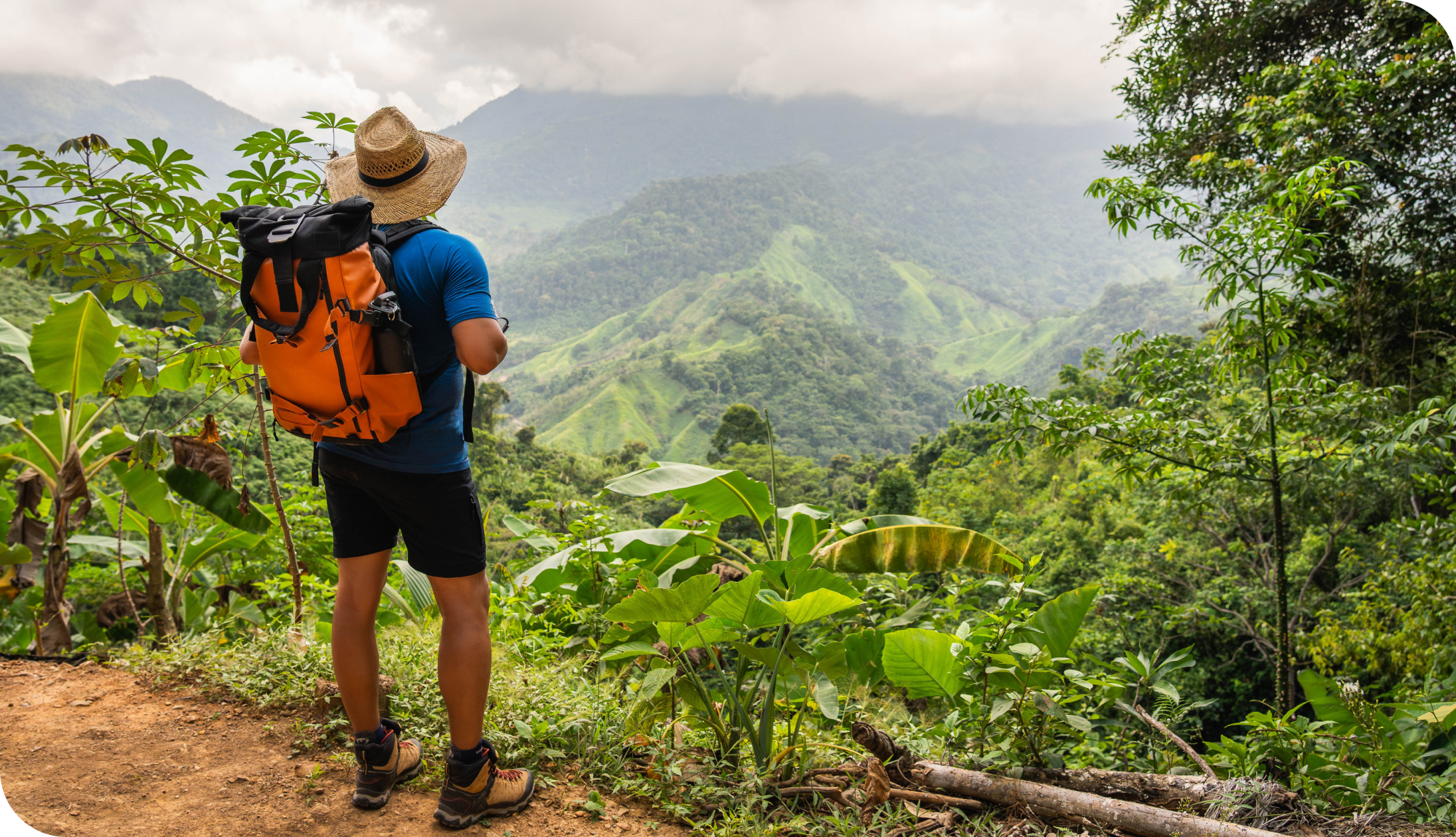


Backpacking through Colombia is an adventure filled with vibrant culture, diverse landscapes, and friendly people. From the colonial charm of Cartagena’s old town to the green hills of the Coffee Region, Colombia offers world-class experiences at backpacker-friendly prices. As one of the most affordable countries in South America, it’s no surprise that Colombia is fast becoming a backpacker favourite. However, enjoying Colombia on a budget still requires planning, especially when it comes to daily expenses. This guide will break down everything you need to know about the costs of backpacking in Colombia, so you can make the most of your trip without breaking the bank.
Colombian currency (Colombian Peso notes). The Colombian Peso (COP) is the currency used in Colombia, and prices are generally much lower than in Europe or North America, making it a paradise for budget travellers.
Typical Costs of Backpacking in Colombia
Overall Budget Needed
When planning a Colombia backpacking trip, one of the first questions you might ask is, “How much will it cost per day?” The average daily cost of backpacking in Colombia can range from around £20 up to £60 (approximately COP 120,000,300,000), depending on several factors:
- Travel Style, Budget vs Comfort: Are you a shoestring traveller happy with hostel dorms and street food, or do you prefer occasional comforts? Staying in basic dormitories and eating like a local will cost far less than booking private rooms or dining in tourist-oriented restaurants. Your travel style will greatly influence your daily spend.
- Trip Duration & Pace: The length of your stay and how fast you move can impact costs. Longer trips allow you to slow down and spend less on frequent transport. Staying in one region for longer can unlock weekly discounts (e.g. on accommodation) and reduce costly last-minute fares. In contrast, cramming many destinations into a short time (or taking domestic flights) will raise your daily average.
- Destinations Within Colombia: Some parts of Colombia are more expensive than others. For example, the Caribbean coast (e.g. Cartagena or San Andrés Island) tends to have higher prices for food and lodging, while the inland cities like Bogotá or Medellín are easier on the wallet. Less-touristy towns and rural areas generally cost less than popular tourist hotspots.
- Group vs Solo Travel: Travelling with friends can help cut costs. Groups can share rooms (or split taxis), and you can team up to cook meals. Solo travellers enjoy more independence but might spend a bit more on single rooms or private transport when no one is around to split the fare. It’s still very possible to backpack Colombia solo on a budget, just plan a little extra for those instances when costs can’t be shared.
By considering these factors, you can tailor a budget that fits your style. Many travellers find Colombia to be great value for money; your pounds stretch far here, especially when you live more like a local.
Daily Budget Overview
Understanding your daily budget is crucial for a successful trip. Here’s a breakdown of typical daily budget ranges for backpacking in Colombia:
1. Low-end Budget
- Cost (Approx): £20, £35 per day
-
Description: Accommodation in hostel dorms or basic guesthouses, often costing around £5-£15 per night (e.g. COP 35,000,80,000 for a dorm bed). Meals involve street food or cheap set lunches (almuerzos/menú del día) for about £1-£3 each (around COP 5,000,15,000). Transport is by local buses or colectivos, just a few pounds per day, city bus fares are often under £1. Activities focus on free or very cheap options (e.g. free walking tours, public museums for a few thousand pesos). This budget is ideal for thrifty backpackers looking to stretch their funds while still enjoying Colombia’s highlights.
2. Mid-range Budget
- Cost (Approx): £35, £60 per day
-
Description: Accommodation in nicer hostels (perhaps a private room) or budget hotels, roughly £15-£30 a night (COP 80,000,150,000). Meals include local restaurants or cafés where you might spend £4-£8 per meal (still modest by international standards). Transport might include the occasional intercity bus or rideshare, averaging £5-£10 per journey. You can afford some paid activities or guided tours (like a coffee farm tour for ~£7 or museum entries for just a pound or two). This budget offers more comfort, a chance to indulge in local cuisine or a hot shower, without overspending.
3. High-end Budget
- Cost (Approx): £60+ per day
-
Description: Accommodation could include boutique hotels or upscale hostels, ranging from £30 upwards (some luxury options still cost less than £80 a night in Colombia). Meals might involve dining at well-regarded restaurants or trying international cuisine, at £10-£20 per meal in touristy areas. Transport could include domestic flights (which, in low season, can be reasonably priced) or more frequent taxis and Ubers, in addition to buses. Activities on this budget may include expensive excursions like a multi-day Lost City trek or scuba diving, as well as guided tours for £20-£50. A £60+ daily budget in Colombia provides a relatively luxurious backpacking experience, though you’ll find that even “splurge” activities here often cost less than they would elsewhere.
Cost Breakdown
To further clarify how much it costs to backpack across Colombia, let’s break down specific expenses by category:
- Accommodation: Colombia offers a range of affordable accommodation for backpackers. A bed in a hostel dormitory typically costs between COP 50,000,80,000 (about £10-£16) per night, with ultra-budget options as low as COP 35,000 (≈£7) in big cities like Bogotá or Medellín. Many hostels are modern and comfortable, and some even include free breakfast (always a bonus for saving money). For those seeking privacy, budget guesthouses or private hostel rooms start around COP 80,000,100,000 (£15-£20) for a basic double. If you’re willing to pay around COP 150,000,200,000 (£30-£40), you can find very comfortable private rooms or mid-range hotels. Keep in mind that popular tourist areas on the north coast (e.g. Cartagena) tend to be pricier than mountain towns or less-touristy cities. Also, consider alternative accommodations: Airbnb and local homestays can offer good value, especially for couples or those wanting a kitchen. (Top tip: look for hostels that include breakfast, it’s a great way to cut down on food costs each day!) A backpacker hostel in Cartagena, complete with a pool and social area. Hostels in Colombia are not only affordable but often come with great amenities and a friendly atmosphere. Dorm beds typically cost a fraction of a hotel room, making them ideal for budget travellers.
- Food & Drink: Eating in Colombia can be very budget-friendly if you stick to local cuisine. Street food snacks like empanadas or arepas (corn cakes filled with cheese, meat, etc.) cost only around COP 3,000-5,000 each (well under £1), perfect for a quick bite. For a more filling meal, seek out the “menú del día” (menu of the day) at local eateries. These set lunches usually include a hearty soup, a main (often meat, rice, salad, and plantain), and a drink for about COP 15,000-20,000 (approximately £3-£4), a fantastic deal that locals and backpackers alike love. In general, local Colombian dishes (think bandeja paisa in Medellín or ajiaco soup in Bogotá) at simple restaurants range from COP 15k,25k (£3-£5) per plate. In contrast, Western food or dining in tourist-heavy areas will be pricier, for example, a meal at a mid-range restaurant in Cartagena might be COP 30k,40k (£6-£8). Thankfully, even “expensive” meals in Colombia are affordable by UK standards, but you can eat very cheaply by going local. Don’t forget drinks: a bottle of local beer like Club Colombia or Aguila is often COP 6,000-8,000 (£1.20-£1.60) in a bar, and much less from a shop. Water is cheap too (around COP 1,000 for a 1L bottle), though consider buying a larger jug for your hostel or using a filter to save money and plastic. If you’re cooking your own meals occasionally, groceries are inexpensive, fresh produce in local markets and basics from supermarkets can keep your food budget very low (many hostels have kitchens guests can use). In short, eating like a local, whether it’s grabbing a street arepa or menu del día, is both delicious and easy on the wallet. A hearty arepa stuffed with beans and avocado, a popular street food in Colombia. Street eats like arepas and empanadas are not only delicious but also incredibly cheap, often costing well under £1 each. Trying local snacks is a great way to save money while experiencing authentic Colombian flavours.
- Transportation: Getting around Colombia is relatively easy and inexpensive, especially if you take buses. For long distances between cities, coaches are the backpacker’s go-to option. As a rule of thumb, a long-distance bus costs roughly COP 10,000,14,000 per hour of travel (about £2-£3 per hour). For example, the epic 14-hour overnight bus from Cartagena to Medellín is around COP 190,000 (≈£37). Buses are comfortable enough and a great way to see the countryside (and overnight routes save you a night’s accommodation). If you’re short on time, domestic flights can be a tempting option, airlines like Viva or Avianca often have advance fares comparable to bus prices on major routes. For instance, an hour-long flight can sometimes cost only £40-£50 if booked early, not much more than a bus and much faster. Within cities, public transport is very cheap. Bogotá’s TransMilenio (rapid bus system) or Medellín’s famous metro cost only around COP 2,500,3,000 per ride (about £0.50). Medellín’s integrated metro-cable cable cars are also just a few thousand pesos, a bargain for both transit and panoramic views. Taxis and ride-hailing apps are affordable for short trips: a ride across town might be COP 10k-20k (£2-£4). Uber operates in Colombia and is generally cheaper than official taxis (e.g. a 45-minute Uber from Bogotá Airport to the city centre is ~COP 40k, about £8). Do note Uber is technically not “legal” in Colombia, but it’s widely used; if you prefer, use authorised taxi services and always agree on the fare or ensure the meter is used. For safety at night, many travellers opt for apps like Uber, DiDi or Cabify for transparent pricing and added security. Overall, transport won’t be a large part of your budget, buses especially are a terrific way to keep costs down while exploring the country. (Money-saving tip: try to keep your itinerary regionally focused to avoid criss-crossing the country unnecessarily. For example, explore one area thoroughly before moving on, you’ll spend less on transport.)
- Activities: One of the best things about Colombia is that many activities are either free or very affordable. Exploring Colombia’s stunning landscapes often costs little: entry to Tayrona National Park, which boasts gorgeous beaches and jungle, is around COP 75,000 (≈£15) for a multi-day ticket. Hiking to attractions like the Cocora Valley (with its towering wax palm trees) costs only a small entrance fee (around COP 20,000, ~£4) or is free if no official access fee. In cities, a lot of attractions won’t strain your budget: museums are inexpensive (Bogotá’s world-class Gold Museum is only COP 5,000, about £1, and the Botero Museum is free), and many cities offer free walking tours. For example, the popular graffiti tour in Bogotá or the Comuna 13 street art tour in Medellín technically cost nothing, you just tip the guide what you can (around COP 20,000,50,000 is appreciated, £4-£10). Wandering colonial towns, browsing local markets, or enjoying public festivals won’t cost you a penny. Of course, some activities do come with a higher price tag, such as adventure sports or multi-day guided treks. Colombia’s “adrenaline capital” San Gil offers paragliding or white-water rafting for roughly COP 180k,220k each (around £40-£50) not bad for a once-in-a-lifetime thrill. The legendary Lost City (Ciudad Perdida) trek (4-5 days through the jungle) is a bigger investment at about COP 2.15 million (~£430), as prices are fixed by the government. Such splurges can dent a tight budget, but they are optional and many backpackers happily save up for one big adventure. Overall, if you stick to mainly low-cost or free activities, you’ll find you can fill your days with amazing experiences in Colombia without spending much at all. Always ask about student discounts or free admission days, some museums have a free day each week, for instance, and take advantage of Colombia’s great outdoors, which comes cheap!
- Essentials & Miscellaneous: Don’t forget to budget a little for everyday essentials and the occasional splurge. Things like toiletries, bottled water, snacks, or SIM cards are inexpensive in Colombia. A bottle of shampoo or sunscreen might be a few pounds at most. Purchasing a local SIM card for your phone is highly recommended, it costs only around COP 5,000 (£1) for a SIM, and you can get a generous data plan for COP 20,000-30,000 (~£4-£6) for 2-4 weeks of usage. This is far cheaper than using international roaming, and it lets you use maps, ride-hailing apps, and keep in touch with fellow travellers. Souvenirs and handicrafts vary in price: for example, you could pick up a small bag of Colombian coffee for a couple of pounds, whereas a handmade mochila (woven bag) or a ruana (poncho) might cost £10-£20 depending on quality. If you plan to party, note that nightlife can add to your expenses, although drinks are cheap, cover charges at popular clubs in Cali or Medellín might be £5-£10 on a big night. In summary, budget a bit for unexpected items (a pharmacy visit, a new flip-flop if one breaks, etc.), but you’ll find day-to-day essentials in Colombia are very affordable. It’s wise to have a small contingency fund for anything unplanned, but chances are, you’ll end up spending less on basic items here than you would at home.
- Gigasure’s Backpackers Insurance: Backpacking in Colombia, or anywhere, is an amazing adventure, but it’s important to have a safety net for any mishaps. Travel insurance provides crucial protection from unforeseen events like medical emergencies, theft, trip cancellations, or accidents. In the grand scheme of your budget, insurance is a small cost that can save you thousands of pounds if something goes wrong. By investing in a good Backpackers travel insurance policy, you’ll have access to emergency medical care (private hospitals in Colombia can be expensive without insurance), assistance if your luggage gets stolen or lost, and coverage for trip disruptions (for example, if a family emergency forces you to fly home early). Gigasure offers a dedicated Backpackers Insurance designed for long-term travellers and adventure seekers, so you can explore Colombia with peace of mind knowing you’re covered if things don’t go to plan. (We’ll delve more into what Gigasure’s insurance includes in a later section).
City-Level Budget Breakdown
Every region in Colombia has its own flavour, culturally and financially. Here’s a closer look at daily backpacking costs in four major destinations:
- Bogotá, Colombia
- Medellín, Colombia
- Cartagena, Colombia
- Cali, Colombia
Each of these cities offers something unique for backpackers, and understanding the budget needed for each will help you plan better.
1. Bogotá, Colombia
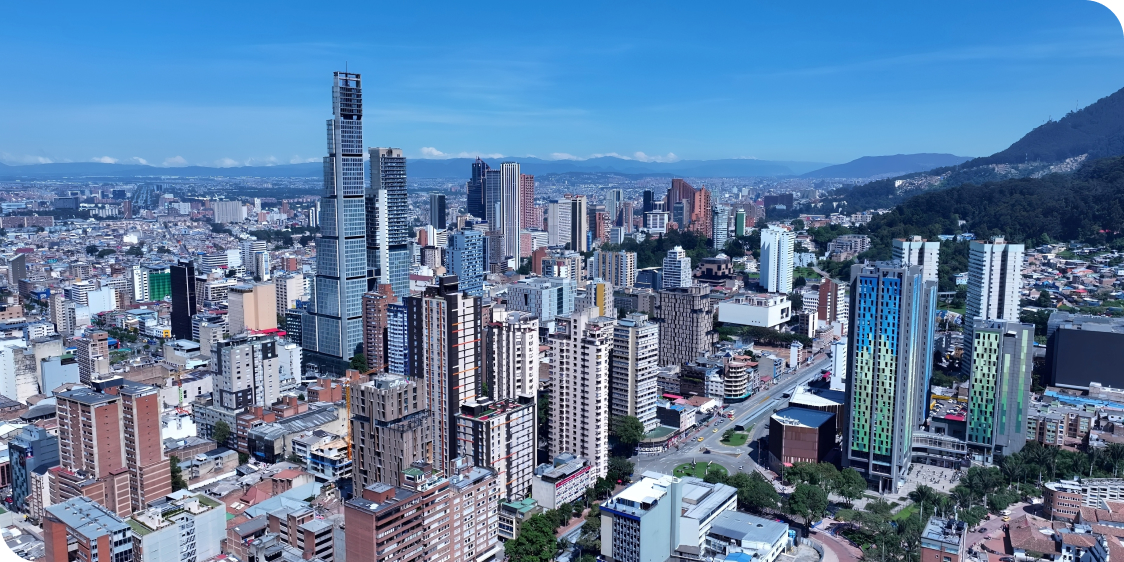
Average daily budget: ~£25-£40 (about COP 150,000,200,000). Bogotá, the capital, is fortunately quite kind to backpacker budgets. Many of the city’s best attractions are free or very cheap. For example, you can ride the funicular up Monserrate hill for a panoramic view of the city for only about COP 17,500 (≈£4). The famous Museo del Oro (Gold Museum) costs a mere COP 5,000 (about £1) and the Botero Museum (featuring works by Fernando Botero and other artists) is completely free. This means you can fill your days with art and history without denting your wallet. Getting around Bogotá is affordable: the TransMilenio buses cost well under £1 per ride, and many backpackers stay in La Candelaria (the historic centre) where you can walk to a lot of sights. Street food is abundant, don’t miss trying an arepa or empanada from a street vendor for under COP 4,000 (pennies in GBP). For something more substantial, find a local eatery offering ajíaco (a hearty chicken and potato soup) or a bandeja corrida lunch plate for around COP 15k-20k (£3-£4). In the evenings, you can eat at a “corrientazo” (set dinner) for similarly low prices or splurge a bit in the trendy zones (Zona G or Zona T) where a nice dinner might set you back £10-£15, still reasonable for a treat. Accommodation in Bogotá is plentiful: a hostel dorm bed in La Candelaria can be found for around £7-£10 per night, and even top-rated hostels rarely exceed £15 a night for a dorm. Private rooms in hostels or budget hotels might be £20-£30. Safety tip: In Bogotá, as in any big city, stick to known areas especially at night, Candelaria is charming but can be quiet after dark, so take a taxi or Uber if you’re out late. Overall, Bogotá is a city where a backpacker can enjoy world-class museums, filling meals, and nightlife in Zona Rosa clubs (if inclined) without blowing the budget. Plan for the higher end of the daily range if you want to take the occasional taxi or enjoy nights out, and the lower end if you mostly sightsee by day and cook or eat simply by night.
2. Medellín, Colombia
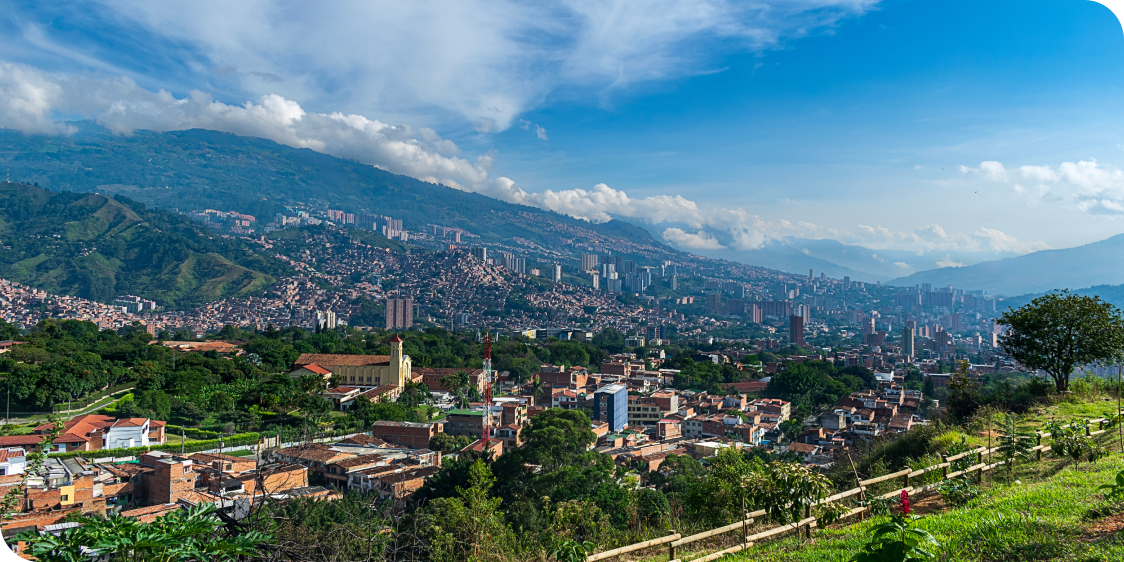
Average daily budget: ~£25-£35 (about COP 150,000 on the low end to 180,000). Medellín is often cited as a backpacker’s favourite city, not just for its perfect weather but also for its value. This city has an excellent transport network, the Medellín Metro is clean, safe, and incredibly cheap (a single fare is around COP 2,880, roughly £0.50). Uniquely, the metro connects to cable cars that carry you up the valley sides; for just a couple of quid you can get both transportation and a stunning aerial tour of the city. Many of Medellín’s attractions are low-cost: take the free walking tour of downtown or the once-notorious Comuna 13, now famous for its vibrant street art (the tour is tip-based, ~COP 50,000 suggested, which is about £10). Art lovers can visit the Museo de Antioquia (with many Botero sculptures in the plaza outside) for a small fee. Food in Medellín is very affordable, try a menu ejecutivo (set lunch) for ~COP 12,000-18,000 (£2-£3) or the city’s signature bandeja paisa, a huge platter of meats, rice, beans, and plantain, for around COP 20k (£4) at a local eatery. In the evenings, grab some street food like buñuelos (fried dough balls) or arepas with cheese for a cheap snack. Nightlife in Medellín’s El Poblado area can be a bit more costly if you’re visiting bars and clubs (cover charges and cocktails will add up), but meeting other travellers over a beer in the hostel or a low-key salsa bar in Laureles won’t cost much. Speaking of hostels, Medellín has some of the best in South America, you can find a bed in a top-rated hostel in El Poblado or Laureles for around £8-£12 per night, often with great facilities. Many hostels here also offer extras like Spanish classes or yoga, which are good value. In summary, Medellín allows you to enjoy a modern city on a modest budget. Because transport and food are so cheap, your main expenses might just be accommodation and any tours you choose to do. Budget a bit more if you plan to party hard in the nightlife district or do adventure activities (paragliding over Medellín’s valley is popular, at around COP 150k-200k), but otherwise, you might find you spend towards the lower end of the range here while still living very well.
3. Cartagena, Colombia
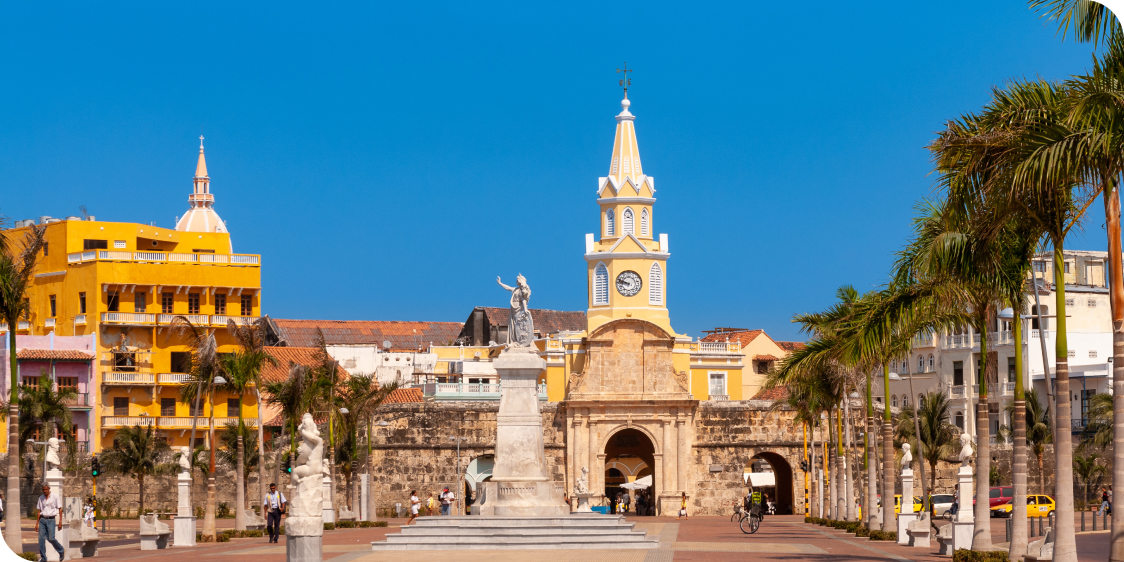
Average daily budget: ~£30-£50 (roughly COP 200,000,300,000). Cartagena is the jewel of Colombia’s Caribbean coast, a UNESCO-listed city of colorful colonial buildings and seaside charm, but it is also one of the most expensive places in Colombia for travellers. Expect prices here to be higher than in Bogotá or Medellín, especially in the touristy Old City. Accommodation, for instance, will cost more: a hostel dorm in Cartagena might run £10-£15 (COP 60k-90k) per night for a good spot, and budget private rooms can be £30-£40. It pays to book ahead, as the best budget hostels (often in the Getsemaní neighbourhood, which is popular with backpackers) fill up quickly, especially in high season. Food in Cartagena can also strain a backpacker budget if you’re not careful. An entrée at a nice restaurant within the walled city could be COP 40,000 (over £8) or more, but you can seek out local eateries in Getsemaní or Mercado Bazurto (if adventurous) where meals are closer to COP 15k-20k (£3-£4). Also, street food to the rescue: try an arepa de huevo (deep-fried arepa with egg) or fresh fruit from street vendors for pocket change. One great thing about Cartagena is that simply wandering the Old Town and soaking up the atmosphere is free. You can walk along the city walls at sunset, explore the plazas, and admire the colonial architecture without buying any ticket. There are also free walking tours of the Old City and Getsemaní which are tip-based. For paid attractions, the Castillo San Felipe (historic fortress) costs around COP 25,000 (£5) to enter, worth it for history buffs. A splurge in Cartagena might be a day trip to the Rosario Islands or Playa Blanca for beach time, budget around COP 100,000 (£20) for an island boat trip. Since this is the Caribbean, if you love the beach, you might spend extra on excursions or cocktails by the water. Transport in Cartagena is cheap (local buses and shared taxis are just a pound or two), but the city is very walkable if you stay in or near the Old Town. To save money, many backpackers limit their time in Cartagena to a few days because of the higher costs, then move on to cheaper beach towns like Taganga or Palomino. Still, with some planning, you can enjoy Cartagena’s romance on a budget: stay in hostels in Getsemaní (the backpacker area) for better prices, eat where the locals eat (menu del día lunches even here can be found for ~COP 20k), and enjoy the free sights like street art and live music in plazas. On a £30/day budget you’ll need to be careful, but at £40-£50/day you can afford a mix of frugal days and the occasional treat (perhaps a seafood dinner or a sailing trip) in Cartagena. It’s a splurge-worthy city but doesn’t have to be out of reach for budget travellers.
4. Cali, Colombia
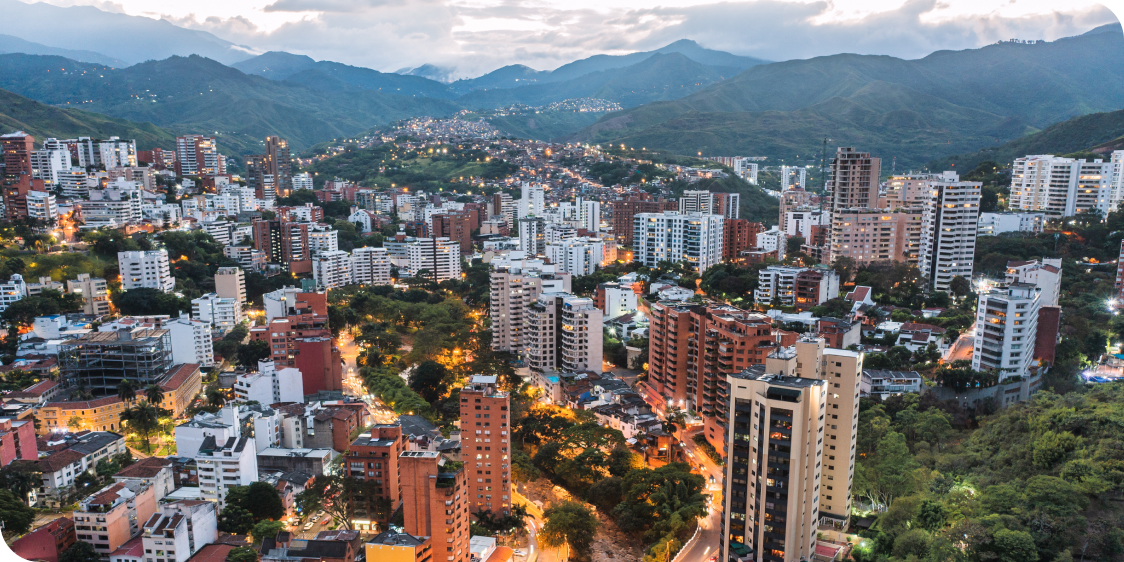
Average daily budget: ~£20-£30 (about COP 120,000,180,000). Cali is Colombia’s third-largest city and the salsa capital of the world, and notably, one of the most affordable major cities in South Americabudgetyourtrip.com. Fewer international tourists visit Cali compared to the likes of Bogotá or Cartagena, which means prices for food and lodging remain very low and geared towards local budgets. Backpackers can find hostel dorms in Cali for as little as COP 40,000 (under £8) per night, especially outside of peak times, that’s a bargain for a bed in a decent hostel. Even well-reviewed hostels with pools or social vibes might only charge around £10 for a dorm bed, which is great value. Food is cheap as well: you can easily eat on COP 10,000-15,000 (£2-£3) a day if you stick to street food and casual eateries. Don’t miss trying cholado (a refreshing fruit dessert) or an empanada valluna , Cali’s style of empanada, from a street vendor, which will only cost a few coins. For a proper meal, the local almuerzo lunch specials are plentiful; for around COP 12k-18k you’ll get soup, a main plate, and a drink. Because of Cali’s fame for dance, one of the “activities” you might budget for is a salsa class or a night out dancing. Many hostels offer free salsa lessons or partner with dance schools for inexpensive classes (a group class might be COP 20,000-30,000, i.e. £4-£6). Going out to a salsa club can be done on the cheap, some clubs have free entry on certain nights, or a small cover (maybe COP 10k, £2). Local beers at bars are again around COP 6k-8k (£1-£1.50), so socialising doesn’t cost much. As for sightseeing, Cali has a few attractions like the hilltop Cristo Rey statue or San Antonio neighbourhood which are free to visit (you might just pay a modest taxi fare or bus fare to reach them). The city also has a rich sports culture, if you’re a football fan, catching a local football match is affordable entertainment. Public transport in Cali (MIO buses) is cheap, similar to other cities (under £1 a ride), but the city is quite spread out. Even so, you’ll find that your daily expenses in Cali often come out on the lower end; in fact, according to budgets reported by other travellers, Cali is in the top 10% of most affordable cities in South Americabudgetyourtrip.com. With its warm climate and warmer people, Cali can be a rewarding stop, and you’ll likely spend less here per day than anywhere else on your Colombia itinerary. A daily budget of £20 is doable if you’re very frugal, while £30 a day in Cali would allow for some fun nights out and maybe a splurge on an attraction or two.
Money-Saving Tips for Backpacking Colombia
Budgeting for your backpacking trip doesn’t mean missing out on amazing experiences. Here are some practical money-saving tips to help you travel smart in Colombia:
- Stay in Hostels or Try Couchsurfing: Hostels are by far the most budget-friendly accommodation and also the easiest way to meet fellow travellers. In Colombia, hostels are widespread and many offer free perks like breakfast or city tours. Dorm beds will save you heaps over hotels. If you’re feeling adventurous and want to save 100% on lodging, consider platforms like Couchsurfing, where generous locals host you for free. It’s a great way to immerse yourself in local life (just remember to be a respectful guest). For longer stays, some hostels also offer work-exchange or volunteering opportunities which can cut costs further (for example, a few hours at the reception in exchange for a free bed).
- Eat Like a Local (Street Food & Markets): One of the joys of Colombia is its street food, not only is it delicious, it’s also incredibly cheap. Snack on empanadas, arepas, pandebonos (cheesy bread) and fruit juices from street stalls for pennies. For main meals, seek out where locals eat: the small family-run corrientazos (set lunch spots) in markets or side streets. A typical lunch (soup, meat, rice, etc.) will cost a fraction of a tourist restaurant meal and fill you up for the day. In coastal areas, eat where local office workers or taxi drivers eat, you’ll get the best prices. Another tip: buy fresh produce from local markets and cook your own meals in the hostel kitchen. Groceries in Colombia are inexpensive and cooking a few dinners yourself each week (perhaps a communal meal with new friends) can significantly lower your food costs. By balancing street eats, market food, and the occasional home-cooked pasta, you’ll enjoy Colombia’s cuisine while keeping your wallet happy.
- Use Buses and Public Transport: When moving around the country, choose buses over planes whenever you can afford the time. Long-distance buses are cheap and come in various comfort levels, a night bus can save you paying for a night’s accommodation. Colombia’s bus network is extensive, reaching places that planes don’t, and you’ll get to see the countryside. For city travel, stick to public transport (metro, buses, trams) or walk whenever possible. Not only is it cheaper, it also gives you a more authentic day-to-day experience. For instance, in Medellín, the metro will get you anywhere for next to nothing, and in Bogot,á the TransMilenio or SITP buses are very affordable (just mind your belongings on crowded buses, as you would anywhere). Using rideshare apps like Uber or DiDi can be cost-effective too, especially if splitting with other travellers, just compare the cost on the app and always follow safety guidance (sit in the back, check car details, etc.). By avoiding expensive private taxis or flights, you’ll keep transportation costs low. As a bonus, you’ll likely strike up interesting conversations with locals on a bus or shared van, adding to your travel memories.
- Get a Local SIM Card for Data: Buying a local prepaid SIM card in Colombia is cheap and will save you money in multiple ways. For a few thousand pesos (literally £1-£2) you can get a Colombian SIM from a provider like Claro or Movistar, and then top-up data packages as needed (e.g. a few GB of data for under £10). Having mobile data means you can use Google Maps and translation apps to avoid getting lost (and potentially overcharged by taxis). It also lets you use Uber/Cabify and other services safely. Plus, you can keep in touch with new friends via WhatsApp (the go-to messaging app in Latin America) without relying on Wi-Fi. Overall, it can prevent unnecessary expenses, like having to buy an expensive international roaming plan or making long-distance calls. Installation is easy: vendors will set it up and register it for you using your passport. With 4G coverage in most cities, a local SIM ensures you’re always connected, which can also be considered a safety measure.
- Take Advantage of Free Activities and Discounts: Some of the best experiences in Colombia are free or very low-cost, so prioritize those! Every major city has free walking tours, these are not only informative, but you just pay a tip at the end that fits your budget. Many museums have a free day once a week (e.g. Bogotá’s Gold Museum is free on Sundays) , plan your museum visits accordingly to save a few pounds. Nature is free: go hiking in national parks or swimming in rivers instead of booking expensive adventure tours for every activity. In places like Salento, you can do DIY hikes (like the Cocora Valley trek) for the cost of a minimal entrance fee or a jeep ride, rather than paying a tour company. If you’re a student or under a certain age, carry your student ID or youth card, you can often get discounts at tourist sites. Also, bargain or ask for discounts where appropriate, for example, if you’re in a group, some hostels or tour operators will give a group rate. In markets, it’s common to haggle for souvenirs. Lastly, be on the lookout for free cultural events: Colombia has frequent festivals, concerts, and dance events that don’t cost anything. By filling your itinerary with free fun (street art walks, public beaches, local festivals, etc.), you’ll save money for the occasional splurge that really matters to you, like a dive trip in Taganga or that guided trek you’ve been eyeing.
Safety Tips for Backpackers in Colombia
Colombia is a welcoming and increasingly popular destination for independent travellers. While it’s much safer now than the dark days of the past, it’s still important to use common sense and take precautions, especially as a solo backpacker. Here are some safety tips to keep your travels worry-free:
- Stay Aware of Your Surroundings: In busy areas like markets, bus terminals, or on crowded buses, be mindful of petty theft. Keep your valuables secured (a money belt or an inside zip pocket for your passport and cards is wise) and don’t flash expensive gear. If you carry a daypack, wear it on your front in crowded buses. Generally, Colombians are honest and friendly, but like anywhere, opportunistic thieves can operate in tourist areas, a bit of vigilance goes a long way.
- Use Reputable Transport: When taking taxis, especially at night or from airports, use licensed taxi services or ride-hailing apps. In major cities, apps like Uber, Didi, Cabify, or Beat are popular and often safer than hailing a random cab on the street (though as noted, Uber is technically unofficial). If you do take a street taxi, agree on the fare before you start the journey or ensure the meter is running to avoid any disputes. For intercity travel, stick to well-known bus companies (Expreso Bolivariano, Rapido Ochoa, etc.) , they have good safety records. It’s also a good practice to avoid overnight bus travel on certain remote routes if advised by locals or other travellers (check recent info, some stretches of highway can have incidents of robbery, albeit rare). Whenever possible, travel during the day.
- Learn About Local Areas to Avoid: Every city has its no-go zones. When you arrive somewhere new, ask your hostel staff or local friends if there are particular neighborhoods you should steer clear of. For instance, in Bogotá, the southern districts and some outlying areas can be sketchy for foreigners; in Medellín, wandering too far outside El Poblado or Laureles late at night might not be wise. In Cali, some eastside districts have higher crime. Generally, the tourist and backpacker-friendly areas are safe to explore by day. At night, stick to busy, well-lit streets or take a taxi for door-to-door transport. If something feels off, trust your instincts and leave. Travel responsibly and “pack your brains”, maybe don’t walk down that dark alley at 2 AM (a good rule anywhere). Colombia is an incredible destination, and if you use basic street smarts, you’re very unlikely to encounter serious trouble.
- Secure Your Belongings: In hostels, always use the lockers provided for your valuables. Most hostels have lockers for each bed, carry a sturdy padlock so you can lock up your passport, cash, camera, and any electronics when you’re out. Never leave your phone or wallet unattended on a table or in a dorm with strangers. On buses, keep your daypack (with important items) on your lap or by your feet. When moving around, use a small lockable bag for additional security. It’s also a good idea to have digital backups of your important documents (passport, visa, insurance policy) stored online, and perhaps a photocopy of your passport in a separate bag. While theft isn’t rampant, being prepared will minimise the impact if something does go missing.
- Research Regional Risks: If you plan on venturing off the beaten path, be aware of any specific local safety advisories. Some remote regions of Colombia, particularly areas near certain borders (Venezuela, some parts of Panama) or deep jungle zones, may have the presence of illegal groups or simply lack law enforcement. The Colombian government (and many foreign ministries) advise against travel to such areas for now. This mostly does not affect typical backpacker routes, as popular destinations are well-secured. Still, if you’re an intrepid explorer wanting to visit very remote corners, check the latest travel advisories and consider hiring local guides who know the area. For most travellers sticking to known routes (e.g. Medellín to Bogotá via Salento, or the Santa Marta, Cartagena, San Gil circuit), the only “dangers” you’ll likely face are sunburn and maybe a dodgy tummy.
- Trust the Locals and Fellow Travellers: Colombians are often keen to ensure visitors enjoy their country safely. If a local person (or your hostel owner) warns you not to go to a certain street or recommends you take a taxi after a certain hour, heed their advice, they know best. Similarly, connect with other backpackers especially if you’re solo. Going out in a small group at night or sharing rides between cities can boost safety (and as a bonus, save money). Solo travel in Colombia is absolutely doable, many, many solo female travellers rave about their experiences, but staying a bit social can create a safety net when needed.
By following these guidelines, which are mostly common sense, you’ll likely find Colombia to feel just as safe as other Latin American destinations. Always keep the number of your country’s embassy and your travel insurance emergency line handy, just in case. With precautions in place, you can focus on enjoying Colombia’s music, mountains, and markets with peace of mind.
Gigasure’s Backpackers Insurance, Your Safety Net on the Road
No matter how carefully you budget or how cautious you are, unexpected events can happen on any trip. This is where travel insurance becomes as essential as your passport. Gigasure’s Backpackers Insurance is designed specifically for travellers like you, covering those unique adventures (and misadventures) that come with backpacking. Here are some key features of Gigasure’s Backpackers Insurance and why they matter for your Colombia trip:
- Gigashield Flight & Baggage Delay Benefits: If you have a long trip with multiple flights (say, you’re flying to Colombia or taking internal flights), delays can and do happen. Gigasure’s policies include GigaShield, a real-time benefit that provides immediate compensation for flight delays and baggage delays. For example, if your registered flight from London gets delayed by several hours or your checked backpack doesn’t show up on the carousel, Gigashield can offer quick financial relief for the inconvenience. This means you can buy essentials or accommodation while you wait, without dipping into your travel fund.
- Global Search and Rescue: Many backpackers in Colombia venture to offbeat places, maybe a multi-day trek in the Sierra Nevada, or camping in a national park. In the very unlikely event that you go missing or lose contact for an extended time, Gigasure has your back. The Global Search and Rescue cover (included with Gigasure’s Max cover plan) provides independent on-the-ground assistance if you’re reported lost for over 72 hours. It’s a reassuring thought for you (and your family back home) that even if you head into the wild, your insurance can help coordinate rescue efforts. Few things give greater peace of mind than knowing someone will launch a search mission if you truly need it.
- Adventure Sports and Activities Cover: Colombia offers plenty of adrenaline-pumping activities, from paragliding in San Gil, to diving in Providencia, to trekking to Ciudad Perdida. Not all standard travel insurance covers “risky” activities, but Gigasure’s Backpackers Insurance can be boosted to cover adventure sports and activities. This means you can go white-water rafting or zip-lining through the jungle and still be covered. Medical treatment or evacuation from a paragliding accident, for instance, would be taken care of, sparing you potentially enormous costs. If you plan to partake in thrill-seeking adventures, make sure your insurance covers those specific activities, Gigasure likely has an option that fits, since over 100 activities are covered as standard.
- Back to Base Cover: Long trips often come with twists, sometimes you might need to pop back home briefly (for a family event, an interview, or just a mental break). Normally, returning home would end a standard travel insurance policy, but Gigasure’s Backpackers Insurance includes a Back to Base benefit that allows you to return home up to 3 times for up to 10 days each without voiding your cover. For example, if during your 6-month Latin America trip you fly back to the UK for a week for your sibling’s wedding, your insurance can remain active (except for medical cover while you’re in the UK). This flexibility is fantastic for backpackers who might not travel continuously. It basically “pauses” the policy while you’re home, and then you continue travelling under the same cover when you resume your trip.
- 24/7 Emergency Support (Gigasure Assist): If an emergency does arise, whether it’s a midnight health scare or a lost passport, it’s crucial to have help available at any hour. Gigasure provides 24/7 worldwide emergency assistance through its Gigasure Assist team. You can ring them anytime and get help in English, be it guidance to the nearest reputable hospital, help with arranging medical evacuation, or support in the event of theft or legal issues. In a situation where you’re stressed or in danger, having a dedicated team to call is invaluable. It’s like having a safety hotline where someone always answers and knows how to handle the problem.
In short, Gigasure’s Backpackers Insurance is crafted for the needs of backpackers and digital nomads. It covers the basics (medical emergencies, trip cancellations, lost belongings) and goes beyond with innovative features like Gigashield and Global Search & Rescue. Importantly, you can customise your policy to include the extras you personally need, such as gadget cover if you’re toting a laptop, or the adventure sports cover if you plan on extreme activities. The policy is flexible (you can buy cover for trips up to 13 months long and even extend it if you decide to stay longer).
Remember, while Colombia is generally a safe destination, travel insurance is your safety net. It means you can trek in the jungle, dance the night away, or hop on that sketchy night bus knowing that if anything goes awry, you won’t be alone or bankrupt. Gigasure even allows you to manage your policy via a smartphone app, making it easy to claim on the go or get real-time flight delay benefits through Gigashield. It’s this blend of tech convenience and cover that can give you extra confidence on your journey.
Plan your Colombia Adventure with Confidence: Now that you have a clear idea of your potential expenses and how to save money day-to-day, you can budget for the trip of a lifetime. Colombia offers incredible value for money, and with the right preparations and insurance in place, you can explore its mountains, jungles and coasts with total peace of mind. Before you jet off, consider getting a quote for Gigasure’s Backpackers Insurance to keep yourself covered. Then pack your bags, brush up on a bit of Spanish, and get ready to enjoy ¡la vida loca! in Colombia, knowing that you’ve got both your budget and your safety well under control.