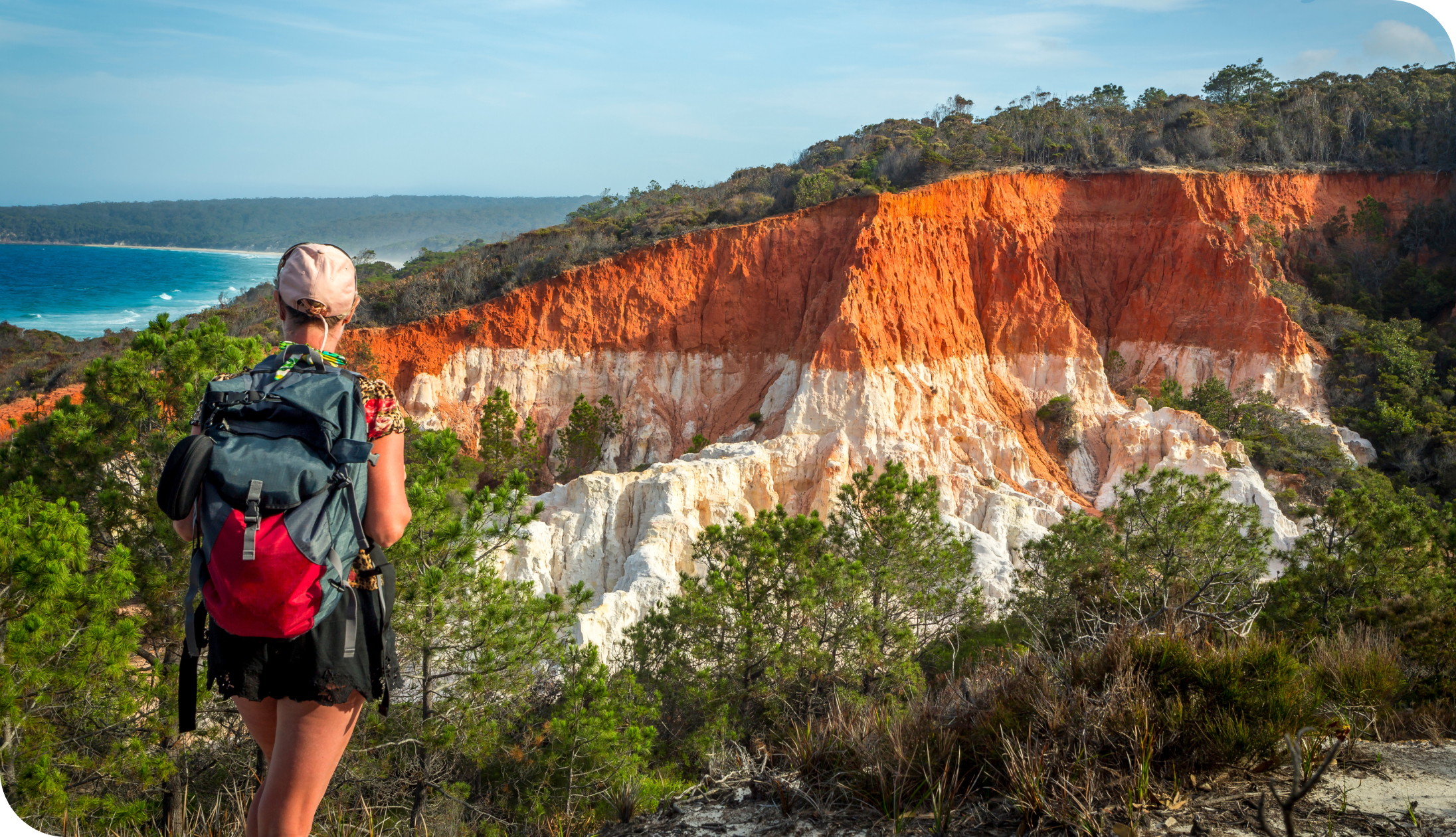


Backpacking through Australia is a bucket-list adventure for many Gen Z and Millennial travellers, a journey filled with sun-soaked beaches, vibrant cities, and rugged outback landscapes. From surfing at Bondi Beach to road-tripping the Great Ocean Road or trekking in the tropical rainforests of Queensland, Australia offers an exhilarating mix of experiences. However, exploring the Land Down Under can be expensive, so smart budgeting is essential. This guide breaks down how much it costs to backpack Australia, with typical daily budgets, cost categories, regional examples, and money-saving tips to help you plan an epic yet affordable journey.
Typical Costs of Backpacking in Australia
Overall Budget Needed
One of the first questions when planning an Australian backpacking trip is likely, “How much will it cost per day?” On average, daily expenses can range from £45 up to £100+ depending on your travel style and choices. Several key factors influence where you might fall on this spectrum:
- Travel Style: Are you a shoestring traveller happy with hostel dorms and instant noodles, or do you prefer more comfort? Budget-focused backpackers opt for hostels, cooking their own meals and using public transport, whereas others might mix in private rooms or restaurant dining for a higher cost.
- Trip Duration: The length of your stay can affect your daily budget. Longer trips sometimes mean traveling slower, snagging deals (like multi-trip bus passes), or even working along the way to offset costs.
- Destinations: Australia’s big cities (Sydney, Melbourne) are generally more expensive than smaller towns or rural areas. Likewise, popular tourist spots like Byron Bay or Uluru can have higher prices for accommodation and tours, while less-travelled regions might be cheaper.
- Group vs Solo Travel: Travelling with friends? Sharing costs for rental cars, campervans, or family-size rooms can significantly cut expenses per person. Solo travellers can still save by dorming with others or using rideshares to split fuel costs.
Daily Budget Overview
Understanding your daily budget is crucial for a successful trip. Here’s a rough breakdown of daily backpacker budgets in Australia:
1. Low-end Budget
- Cost: £45, £70/day
-
Description: Sticking to the basics: dorm-bed in a hostel (£20, £30), simple meals or self-catering (£10, £15), public buses/trains (£5, £10), and mostly free activities. Ideal for travellers looking to stretch their funds and willing to “rough it” a little, think cooking pasta in the hostel kitchen and pre-gaming with goon (boxed wine) before a night out.
2. Mid-range Budget
- Cost: £70, £100/day
-
Description: A step up in comfort: private hostel room or budget hotel (£40, £60), mix of cooking and eating out at cafés (£15, £25 per day), using public transport and the occasional rideshare or domestic flight (£10, £20), plus some paid attractions or tours each week. This budget lets you sample local café culture and a few big-ticket experiences without breaking the bank.
3. High-end (Backpacker) Budget
- Cost: £100+/day
-
Description: More indulgence while still “backpacker” in spirit: boutique hostels or mid-range hotels (£60, £100+ per night), restaurant meals and nights out (£30+ per day including some drinks), faster transport like flights or car hires (£20+), and frequent tours (like diving trips or adventure sports). Ideal for those who want to experience all Australia has to offer and don’t mind spending for comfort and convenience.
Cost Breakdown
To further clarify how much it costs to backpack Australia, let’s delve into a detailed breakdown of specific expenses by category:
- Accommodation: Australia offers a wide range of backpacker accommodation, from basic bush campsites to upscale hostels. For most travellers, hostel dorms will be the go-to option, costing roughly £15, £30 per night (that’s about A$30, $60). In major cities or during peak season, prices hit the higher end, for example, a bed in a top-rated Sydney hostel can be around A$40 (£25) per night. Meanwhile, smaller towns or off-season travel may find dorms for closer to A$20 (£12). If you’re travelling as a couple or just crave privacy, private double rooms in hostels or budget hotels run about £50, £80 nightly. Airbnb is another option in cities, often with private rooms in the £30, £50 range (sometimes comparable to two hostel dorm beds). And remember, Australia is campervan heaven, camping is a budget-friendly alternative, with some campsites free or around A$10 (£5) a night, and national park campgrounds offering affordable plots. Many backpackers even sleep in campervans to combine transport and lodging (van rentals can be split between friends). Lastly, note that popular spots like Byron Bay tend to have higher hostel rates (often booked out in summer), so reserve early if possible, to snag cheaper beds.
- Food & Drink: How much you spend on food in Australia largely depends on your eating habits. If you cook most meals, you might get by on £10,£15 per day for groceries, especially if shopping at supermarkets like Coles or Woolies. Many hostels have communal kitchens, take advantage of them. A week’s groceries around A$100 can feed you well with pasta, sandwiches, and the occasional BBQ. Eating out, on the other hand, adds up quickly: a cheap eat (think meat pie or sandwich) might be A$10 (£5), while an average meal at a café or casual restaurant is $15, $25 (£8, £14) per person. Budget at least £20, £30/day if you plan to dine out for most meals. Also, drinks can be pricey, in bars, a beer runs about A$8 (£4) and a cocktail £10+. Many backpackers save by buying alcohol from bottle shops and prefacing a night out with the infamous Aussie “goon”, boxed wine costing around A$10 for 4,5 litres (an incredibly cheap way to get the party started). And keep an eye out for hostel bar specials: some hostels (like Wake Up! Sydney or the Woolshed bar in Cairns) offer backpacker meal deals for about A$5 or free drink vouchers to entice budget travellers. By mixing cooking with the occasional treat meal, you can keep food costs reasonable while still sampling Aussie must-haves like Tim Tams or a flat white coffee.
- Transportation: Australia is huge, so transportation can be a significant part of your budget. In cities, public transport is generally affordable: local bus/train fares typically range from A$3, $5 (£1.50, £3) per ride, and cities like Sydney or Melbourne cap daily transit costs at around A$10, $16 (≈£5, £9) with their Opal/Myki cards. For long-distance travel between cities and regions, buses are the cheapest option on the east coast. A hop-on/hop-off Greyhound Australia pass can be great value, for example, a 7-day “Whimit” unlimited travel pass costs about A$309 (roughly £160, ~A$44/day), whereas a 3-month pass is about A$389 total (only ~A$8 per day of travel). Booking buses in advance can save money, and options like Premier Motor Service offer slightly cheaper fares on some routes. Trains exist mainly along the east coast but tend to be slower and not particularly cheaper than buses for long distances. Budget flights are worth considering for big jumps, airlines like Jetstar or Virgin Australia often have sales (e.g. Sydney to Melbourne for £40). If you plan to explore more remote areas or just love road trips, car or campervan rental gives ultimate freedom. Car hires start around £25, £30 per day (split between friends), and campervans a bit more, plus fuel. Petrol in Australia costs about A$1.90 per litre at the moment (around £1/L), so it’s not too bad split a few ways. One trick: look for relocation deals where rental companies practically pay you (or charge $1) to drive a vehicle back to another city. Overall, if you stick to buses and the occasional rideshare, you might spend £10, £15 per day on transport averaged out, but factor in extra if you opt for flights or a big self-drive adventure.
- Activities: Australia is an adventurer’s playground, and while many outdoor sights are free, the iconic activities often come with a price tag. It’s wise to set aside a chunk of your budget for tours and attractions, so you don’t miss out. Many museums and galleries in cities like Sydney and Melbourne have free entry or cheap tickets (e.g. National Gallery of Victoria is free, Sydney’s Australian Museum is ~A$15). Natural attractions are often low-cost, a day entry to a national park might be A$8, $12. However, the big experiences can be expensive: for instance, a day cruise to the Great Barrier Reef from Cairns runs about A$150, $250 (£80, £140) including snorkeling gear. A tandem skydive or bungy jump will set you back around A$200, $300. A beginner surf lesson in Bondi Beach costs roughly A$79 (≈£42) for 2 hours, while a three-day Outback tour to Uluru might be A$600, $800. The good news is there are plenty of free activities to balance these out: lounging on world-class beaches, hiking in lush rainforests or the Blue Mountains, swimming in public lagoons, and joining free walking tours in major cities. Many backpackers alternate pricey days with no-spend days. As a guideline, you might budget £10, £20 per day for activities on average, that could mean a £0 beach day one day and a £100 diving trip the next. If there’s an activity you’ve dreamed of (diving with sharks, sailing the Whitsundays, 4WDing on Fraser Island), do it! Just account for it in your budget planning.
- Shopping & Essentials: While shopping isn’t usually a priority for backpackers, you should plan for occasional essential purchases. Think sunscreen (a must under the Aussie sun), insect repellent, toiletries, replacement chargers or memory cards, and so on. These everyday items are priced similar to the UK or slightly higher, e.g. a bottle of sunscreen might be A$15 (£8), a big bug spray A$10 (£5). Pharmacy chains like Chemist Warehouse often have discounts. For clothing or souvenirs, costs vary widely: a cute surf tank-top might be A$25, didgeridoo artwork could be A$100+. It’s wise to set aside maybe £5, £10 per day in your budget for miscellaneous necessities and the odd souvenir. That way, when you need to replace your flip-flops (thongs) or grab a new SIM card, you’ve got it covered. Also consider a local SIM card as a modern “essential”, plans are quite affordable (around A$30 for 20GB data for a month). Keeping a bit of buffer in your budget for these unplanned spends will make your trip smoother.
- Backpackers Travel Insurance: Backpacking in Australia is the adventure of a lifetime, but it also comes with unpredictability. Travel insurance is a crucial safety net, protecting you from unforeseen mishaps like medical emergencies, accidents, theft, trip interruptions, or natural events. In a country as vast and wild as Australia, this is especially important. If you get injured on a remote trail or reef, need a hospital visit (which can cost thousands for foreigners), or find your flights disrupted by weather, insurance ensures you’re covered financially and can get help. Gigasure’s Backpackers Insurance (tailored for long-term travellers) provides peace of mind so you can explore without worry. It covers emergency medical care, trip cancellation costs, lost or delayed baggage, and more, so a stolen phone or a kangaroo-induced car mishap won’t ruin your journey. When you invest in the right Backpackers Travel Insurance, you’re free to roam Australia knowing you have a safety net if things don’t go to plan.
Examples of Budget by Region in Australia
Costs can vary by region, so it helps to break down what you might spend in different parts of Australia. Below are a few location-specific budgets and tips for popular stops on the backpacker trail:
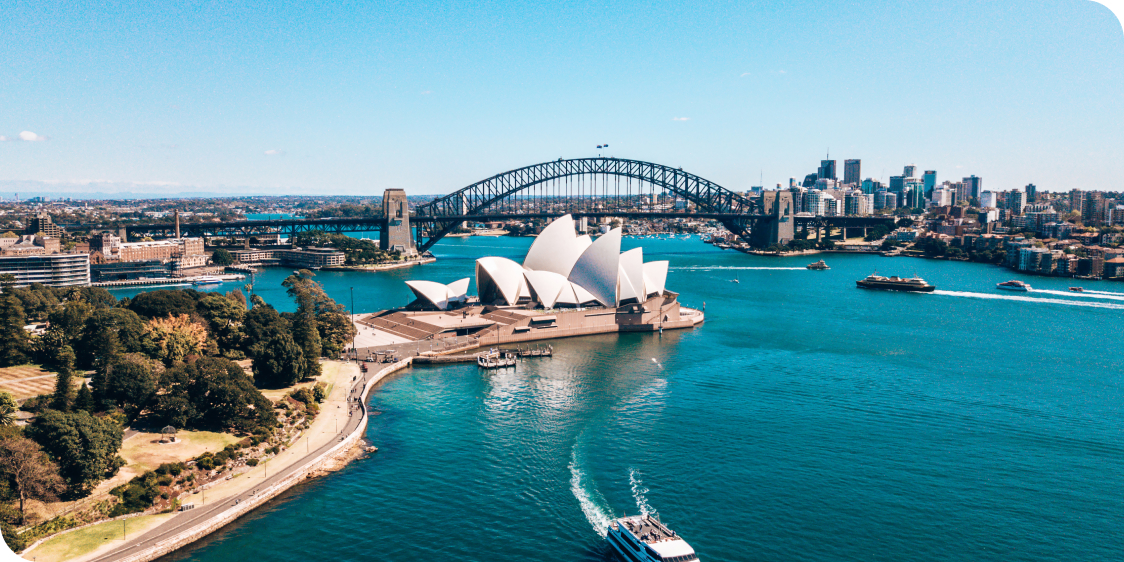
- Sydney, Australia’s biggest city, famous for its Harbour and beaches
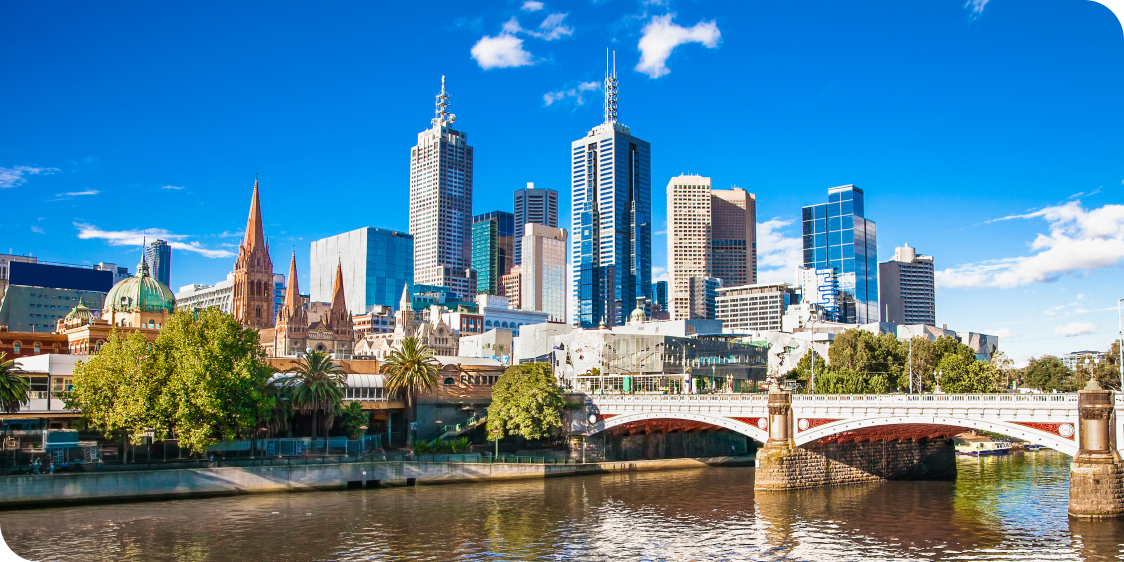
- Melbourne, Cultural capital known for coffee, arts, and nightlife
- Cairns, Gateway to the Great Barrier Reef in tropical far north Queensland
- East Coast (Sydney to Cairns Route), The classic backpacker route with beach towns and adventure stops
1. Sydney
- Average daily budget: £60, £100 (moderate to high, depending on activities)
- Why? Sydney is arguably the most expensive city in Australia, especially for accommodation and dining, but many of its highlights are free.
Sydney can actually be friendly to budget travellers if you take advantage of its many free attractions. The city’s iconic museums and galleries, like the Art Gallery of NSW or the Museum of Contemporary A rt, offer free entry, and exploring areas like the Royal Botanic Garden or wandering the Harbour waterfront costs nothing. A stroll from the Opera House around Circular Quay to The Rocks gives million-dollar views for £0. For paid attractions, plan selectively: a tour inside the Sydney Opera House costs about A$43 (£23), and the famous Harbour Bridge Climb is a thrill but very expensive (around A$300+). Instead, consider the free alternative of walking across the Harbour Bridge or climbing the Pylon Lookout for a few dollars to still get a great view.
- Food: Eating on a budget in Sydney means hitting the fantastic cheap eats hidden around the city. Chinatown in Haymarket is a goldmine for £5, £8 meals, think dumplings or a big bowl of noodles. Many pubs do $10 meal nights (often a steak or schnitzel on certain days). And don’t miss the takeaway meat pies or sausage rolls (about A$5, $7) for a classic Aussie quick lunch. Drinking is pricey, expect ~A$9 (£5) for a beer. To save, buy your own beer from the store or goon from the bottle shop and enjoy a drink at the hostel before hitting any bars (some hostels organise pre-drinks and nights out).
- Transport: Sydney is a sprawling city, but the public transport is excellent. Grab an Opal card, daily travel is capped at A$16.80 and even lower on Sundays (only A$2.50 for unlimited travel on that day!). Use the train or bus to hit all the sights; for example, Bondi Beach is reachable by a £3 bus ride. A popular free activity is the Bondi to Coogee coastal walk, a scenic 6km trail linking beaches and cliffs. Within the city centre, walking is often the best way to soak in the atmosphere (from the Opera House through the Botanical Garden to Mrs Macquarie’s Chair viewpoint). Also, the public ferries from Circular Quay are a budget alternative to harbour cruises, for the price of a transit fare (~A$7) you can sail to Manly Beach or Taronga Zoo with stunning harbour views.
- Accommodation: Sydney’s hostels are plentiful but fill up fast. Expect to pay £20, £30 for a dorm bed in a well-located hostel. Popular spots like Wake Up! or YHA Harbour can be ~£25 for a large dorm. If that’s steep, consider staying just outside the CBD, areas like Glebe or Kings Cross often have slightly cheaper hostels (and a fun vibe). Booking at least a week ahead in peak season (Dec,Feb) is recommended to get the best rates.
2. Melbourne
- Average daily budget: £50, £90 (moderate)
- Why? Melbourne is a tad cheaper than Sydney for many things, and its very backpacker-friendly with free city trams and lots of low-cost food options.
Melbourne’s charm is in its artsy, laid-back atmosphere and discovering hidden gems. Many attractions here won’t cost you a cent: wander the famous street art alleys like Hosier Lane, relax in sprawling parks (the Royal Botanic Gardens are beautiful and free), or catch some live music in bars that don’t charge cover. The city even has a Free Tram Zone in the central area, meaning you can hop on the historic City Circle tram or any tram in the CBD for free, making it super easy to get around the central sights without spending on transport. For sights like the National Gallery of Victoria (free general entry) or Queen Victoria Market (free to browse, and you might snag cheap lunch from the food stalls), your budget stays intact.
- Food: Melbourne is renowned for its food and coffee scene, but you can enjoy it on a budget. A**$4** banh mi (Vietnamese baguette) from Footscray or Richmond, a slice of pizza in the CBD for a few dollars, or the plethora of cheap dumpling houses in Chinatown can fill you up affordably. If you love coffee, budget a few pounds a day, the flat whites here are incredible (around A$4 each). The city’s many ethnic neighbourhoods (Italian in Carlton, Greek in Oakleigh, etc.) often have reasonable prices for authentic eats. Also look out for lunch specials; some trendy eateries have £10 lunch deals. And like Sydney, Melbourne’s hostels often host free pancake breakfasts or BBQ nights, great for both your wallet and meeting fellow travellers.
- Transport: Getting around Melbourne cheaply is easy. In addition to the free trams downtown, if you go further, you’ll need a Myki card (daily cap ~A$9 for unlimited travel). Buses and trains supplement the trams, but much of what you’ll want to see is central. Biking is another popular and budget way , the city has bike-share schemes and lots of cycle paths. For trips out of the city, like the Great Ocean Road or Phillip Island to see penguins, consider renting a car with friends for a day (split cost) or look for backpacker day tours (around A$100, $150 for a full day tour).
- Accommodation: Melbourne has a high concentration of hostels in the CBD and St Kilda areas. Dorm prices are around £15, £25 per night. You might find the lower end (around £15, ~A$28) in off-peak times or for larger dorms in slightly older hostels. St Kilda (the beachside suburb) has fun hostels that sometimes are cheaper than downtown and include perks like free nightly activities. As always, book ahead if you’re visiting during events (Melbourne is known for festivals and sports events that fill up rooms).
3. Cairns
- Average daily budget: £50, £80 (can vary depending on tours)
- Why? Cairns itself is relatively inexpensive for day-to-day costs (cheap accommodation and food deals), but most travellers will splurge on at least one big-ticket adventure like a reef or rainforest tour while here.
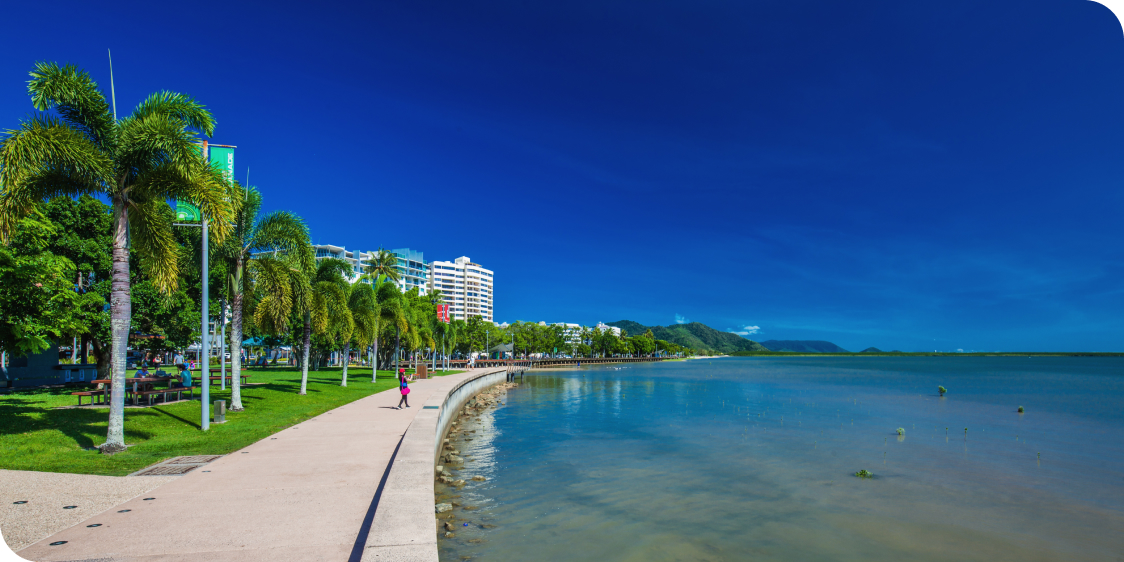
Cairns is a tropical backpacker hub with a party vibe and as the launchpad for the Great Barrier Reef. The good news is that general living costs here are lower than in the big cities. Many hostels in Cairns include free airport pickup, free breakfast, or even a free evening meal at a partnered bar to attract backpackers. The town has a lively night scene but also plenty of free or low-cost things to do by day: laze by the Cairns Esplanade Lagoon, a huge public swimming pool that’s completely free (and necessary, since the city’s shoreline isn’t a typical beach). There are also free fitness classes and markets around the Esplanade. If you’re up for adventure without a tour price, you can hike up to Crystal Cascades or other nearby waterfalls by renting a car for a day with friends or even catch local buses to some trailheads.
- Activities: The Great Barrier Reef is the main event and worth the expense. A full-day snorkelling trip (including gear and lunch) will cost around A$160 (£85) on average. Many travellers also head north to Cape Tribulation in the Daintree Rainforest or west to the Atherton Tablelands for waterfalls, you can rent a car or do a day tour (~A$120). Adrenaline junkies might try a skydive in Mission Beach or bungy jump just outside Cairns (each around A$200-300). To balance these costs, take advantage of the many cheap or free nightlife activities: the backpacker bars often have ladies’ nights, quiz nights, and free-entry parties, plus you can win bar tabs or free tours at events like bingo or trivia. It’s not uncommon for a hostel to offer a free evening meal (usually a simple pasta or chili) if you buy a drink, a sweet deal for budget nomads.
- Food: Eating in Cairns can be cheap if you go where the backpackers go. The night markets offer inexpensive meals (Chinese, Thai, etc.) for around A$10. The Woolshed and Gilligan’s (famous party spots) have promotions like “buy one meal, get one free” or $5 meal nights. Since many folks here are on working holidays, you’ll find lots of budget grocery options too. Stock up at Rusty’s Markets (farmers market) for tropical fruits and veggies on the cheap and cook at the hostel to save cash for that reef trip.
- Accommodation: Cairns is awash with budget accommodations, and you’ll typically pay £12, £20 for a dorm bed (A$25, $40). It’s one of the few places you might find hostel prices under A$30 in Australia, especially in the wet season (November, March). Popular hostels like Gilligan’s are a bit pricier but they double as entertainment venues (huge pool, nightclub), you may decide the extra few quid is worth the experience. There are also smaller, relaxed hostels if you prefer a quieter stay. Almost everywhere has air-conditioning (a must in the tropical heat), check if it’s included or only on at certain times to avoid sweaty surprises.
4. East Coast (Sydney to Cairns route)
- Average daily budget: £50, £80 (assuming a mix of budget days and a few big tours)
- Why? The East Coast is the classic backpacker trail, covering ~2500 km of beaches, surf towns, and rainforests. You’ll spend money on transportation (many miles to cover) and epic tours (Whitsunday Islands, Fraser Island, etc.), but you can also find plenty of free fun in between.
Travelling the East Coast of Australia is all about balance. You might spend a week partying and surfing in Byron Bay cheaply, then drop a few hundred dollars sailing the Whitsundays or 4WD-ing on K’gari (Fraser Island). When planning your East Coast budget, factor in these major activities: a Fraser Island 3-day 4WD tour (approx A$600 / £320 including camping), a Whitsunday Islands sailing trip (~A$230 / £120 for a day tour), and possibly an adventure in Magnetic Island, Noosa Everglades canoeing, or skydiving over the beach. Not everyone will do all of these, but most backpackers pick one or two big-ticket experiences as highlights of their trip. The good news: much of the East Coast’s appeal is simply enjoying the outdoors, which is free. Beach-hopping, bushwalking in national parks, swimming in creeks, or watching sunrises and wildlife (you’ll likely spot wild koalas or kangaroos in some places) won’t cost a thing.
A typical East Coast itinerary might start in Sydney, then wind north through Surf Camp in Spot X, Byron Bay, Gold Coast/Brisbane, Noosa, Fraser Island, Airlie Beach (Whitsundays), Magnetic Island, and up to Cairns. If you take the Greyhound bus for these legs, look into a pass that covers your whole route. With a bus pass or a shared campervan, your transport and accommodation (if camping) costs are capped, allowing more room in the budget for fun. On average, past travelers report spending about A$120, $140 per day on an East Coast trip that lasts a few weeks and includes several tours. That’s roughly £65, £75/day, but it can be done for less by skipping some tours, or easily more if you do every activity on offer.
Tips along the route: In beach towns like Byron Bay, days can be delightfully cheap, surfing (board hire ~A$20) or just lazing on the sand, hiking up to the Cape Byron lighthouse at sunrise, and enjoying free live music at night. Brisbane is a city where you can visit the free Queensland Museum or South Bank lagoon. Airlie Beach has a free public lagoon pool to lounge by before or after your Whitsunday cruise. When you reach Magnetic Island, get the cheap ferry from Townsville (and use a day bus pass on the island), then hike the Forts Walk for wild koala-spotting, all free. The key is to pepper your journey with these low-cost days so you can afford the truly unmissable East Coast adventures like sailing amid the stunning white sands of Whitehaven Beach or trekking through the world’s oldest rainforest in Cape Tribulation.
Money-Saving Tips for Backpacking Australia
Backpacking Australia on a budget doesn’t mean missing out on awesome experiences. With a bit of savvy, you can stretch your funds and still dive into everything Australia has to offer. Here are some practical money-saving tips to help you get more bang for your buck:
- Get a Bus Pass or Campervan Deal: Given the long distances, transport can eat up cash, but there are hacks. Invest in a Greyhound “Whimit” bus pass if covering the East Coast; the longer passes drastically cut the per-day cost (e.g. 3 months unlimited travel for ~A$389, which is only ~$8 per day of travel). You’ll have flexibility to hop on/hop off anywhere. Alternatively, if you’re traveling with mates, consider renting a campervan or car together, splitting petrol and rental makes it affordable, and you save on accommodation by sleeping in the van. Check sites for relocation deals too, where companies offer campervans for $1 if you drive them to another city by a deadline (often with fuel included!). This can be a fun, ultra-cheap way to experience van life for a few days.
- Work for Accommodation (or Meals): Many Australian hostels offer work-exchange opportunities. If you’re sticking around a place for a week or more, ask if you can volunteer a few hours a day cleaning or at reception in exchange for a free bed. It’s a great way to cut costs (and meet people). Similarly, schemes like WWOOF (Willing Workers on Organic Farms) or Workaway let you trade labour on farms or homesteads for room and board, a rewarding cultural experience and free lodging/food. Even without formal programs, some caravan parks or pubs in small towns let you camp for free if you help out. Keep your ear to the ground; the backpacker grapevine in Australia is strong, and you’ll hear about these opportunities as you go.
- Consider a Working Holiday: If you plan to travel in Australia for a few months, a Working Holiday Visa can be a game-changer for your budget. This visa (available to many 18,30 or 35-year-olds from Europe, UK, etc.) allows you to work short-term jobs while traveling. You could pull pints in a Sydney bar, harvest fruit on a farm, or wait tables in Melbourne’s café scene, earning Australian dollars to fund your next adventures. Given Australia’s higher wages (even casual jobs might pay A$20+/hour), a few weeks of work can refill your travel funds significantly. Some backpackers even work part of their trip (e.g. three months of farm work) to save up and then travel for several more months. As a bonus, certain farm or rural work can qualify you for a second-year visa if you love Australia so much you want to stay longer! It’s a fantastic way to deepen your experience, meet locals, and not go broke on the road.
- Cook Your Meals & BYO Booze: Eating out for every meal in Oz will drain your wallet fast. Take advantage of hostel kitchens, buy groceries and cook your own meals as much as possible. A big grocery run and some group cooking nights at the hostel can be fun and cost a fraction of restaurant dining. When you do eat out, go for lunch specials or take-away instead of sit-down dinners to save cash. Likewise for drinks: Australia has strict alcohol taxes, making bars pricey. Save money by embracing the backpacker tradition of the “goon sack”, that cheap boxed wine beloved by travellers. It’s not the best tasting, but it’s hugely cost-effective for socializing on a budget. Many hostels are BYO-friendly, so have a few drinks with new friends before hitting the pub, you’ll spend far less over the night. Also, look for hostels that offer a free drink upon check-in or have happy hour deals with partner bars.
- Travel Off-Peak and Use Free Attractions: Timing your trip can lead to big savings. Australia’s peak tourist season is summer (December to February) and major holidays, prices for accommodation and tours can skyrocket, especially around Christmas/New Year (also, hostel availability in Sydney over NYE can be zero if you don’t book months ahead!). If you have flexibility, travel in shoulder seasons like September, November or April, June. You’ll find lower rates, and the weather can still be great (especially in the north during winter months). Even if you are traveling in peak times, be savvy with free stuff: most cities have free walking tours (just tip the guide), and nearly every destination offers some kind of free natural attraction , whether it’s swimming in rivers, hiking in national parks, or watching firework shows and festivals. Make a habit of checking the local tourism site or hostel notice board for free events: outdoor movie nights, night markets, beach festivals, etc., which are common in Aussie towns and are friendly on the budget.
- Leverage Backpacker Discounts: Don’t be shy about being a backpacker, in Australia it can actually get you deals! Many tour operators, hostels, and even bars offer discounts for backpackers or students. Carry an ISIC card or similar student card if you have one, it can knock off a few dollars on museum entries or tours. Some regions have bundled backpacker passes (for example, the Queensland Coast Pass that groups multiple activities). Always ask “Do you have any backpacker deals or discounts?” when booking tours; sometimes travel agencies in hostel lobbies have special rates. And swap & share gear instead of buying new, there’s a tradition of backpackers selling forward things like camping gear, snorkel sets, or surfboards to other travellers when they finish their trip (check hostel message boards or Facebook groups). You could score what you need for cheap and then resell it when you’re done.
By using these tricks, from slow travel and work exchanges to cooking your own food and hunting down deals, you’ll find your money goes much further. The more you save, the more you can spend on unforgettable experiences like diving in coral reefs or sleeping under the outback stars, which is what a trip to Australia is all about!
Why Travel Insurance is Essential for Backpackers in Australia
While backpacking in Australia is incredibly exciting, it’s important to remember that things don’t always go to plan. From medical emergencies to lost gear or unexpected trip disruptions, having travel insurance tailored for backpackers is crucial for keeping you (and your finances) safe. Australia’s wild adventures, and sheer distance from home, make insurance even more of a must. Here’s why a good backpacker travel insurance (like Gigasure’s!) is an essential part of your budget:
- Medical Emergencies: Healthcare in Australia is very expensive for non-residents. A snakebite in the Outback or a surfing injury at Bondi could land you with a hefty hospital bill. With insurance, you have access to treatment without the burden of huge costs. This includes emergency dental work, hospital stays, or even medical evacuation from remote areas (for example, getting airlifted from a national park or a dive boat, which would otherwise cost thousands).
- Adventure Sports Cover: Many travellers come to Australia specifically for adventure, scuba diving the Great Barrier Reef, bungee jumping in the rainforest, jet-skiing, mountain biking, you name it. Not all basic travel insurance covers extreme or adventure sports, so make sure your policy does. Gigasure’s Backpackers Insurance includes adventure sports cover by default, so you can get your adrenaline fix knowing you’re protected if anything goes wrong. Whether it’s a diving mishap or a twisted ankle on a skydiving landing, you’ll be covered for medical care and associated costs.
- Trip Cancellation or Interruption: Long trips have more variables; you might need to cancel a tour due to illness or cut your trip short for a family emergency. Travel insurance helps recoup non-refundable bookings for flights, tours, or accommodation if you have to cancel for a covered reason. For instance, if you pre-booked a £300 Fraser Island 4x4 tour and then got the flu and couldn’t go, insurance can reimburse you so you’re not out-of-pocket.
- Lost or Delayed Luggage: Airports in Australia are generally reliable, but lost or delayed baggage can happen, especially with multiple flights or layovers coming in. Insurance can assist in replacing essential items if your backpack goes missing, and Gigasure’s GigaShield feature even provides real-time cash payouts or lounge access for long flight delays and baggage delays. That means if you’re stuck in an airport for 12 hours or your bag is delayed, you can get some immediate compensation to make life easier (buy toiletries, grab a meal, or relax in an airport lounge on Gigasure’s dime).
- 24/7 Emergency Support: It’s hard to put a price on the peace of mind that comes from knowing help is one call away. Gigasure provides 24/7 emergency assistance via Gigasure Assist. Whether you’re in a medical crisis in the middle of the night, need help finding an English-speaking doctor in rural Australia, or even lose your passport, there’s someone to call. When you’re far from home (and in a vastly different time zone from family back home), having a dedicated support line is invaluable.
- Global Search & Rescue: Australia has plenty of wilderness and off-the-beaten-path experiences , multi-day treks, remote diving sites, outback road trips. If something goes awry in a remote location (say you get injured hiking in the Tasmanian mountains or get stranded in a flood while camping), who pays for the rescue? Specialized search and rescue operations can be astronomically expensive. Gigasure’s policies include a Global Search and Rescue benefit, meaning the cost of sending out a helicopter or search team to find you is covered. It’s a feature you hope to never use, but it’s absolutely worth having for peace of mind in Australia’s vast outdoors.
- “Back to Base” Cover: Uniquely, Gigasure recognises that long-term travellers might pop home briefly during a trip. Their backpacker insurance allows you to return home up to 3 times during your journey without cancelling your coverage. This “Back to Base” feature is perfect if you need to fly home for a wedding, a holiday, or to sort out any issue, then go back to Australia to continue your trip. Your insurance remains active (usually coverage is paused while home, then resumes when you set out again), ensuring continuous protection throughout your adventure, no matter how many pit stops at home you make.
In short, the right travel insurance policy has your back through all the surprises, good and bad. Gigasure’s Backpackers Insurance, for example, is built for independent travellers tackling far-flung places like Australia, with flexible plans and all the above features baked in. For a relatively small cost, you get huge peace of mind and financial protection, which is something every backpacker deserves.
Plan Your Australia Backpacking Trip with Gigasure
Now that you have a clearer understanding of how much it costs to backpack Australia, you can start budgeting and planning your own adventure Down Under. Traveling smart doesn’t mean cutting out the fun, it’s about knowing where to save, so you can spend on the experiences that matter most to you. By budgeting wisely and making use of the tips above, you’ll be able to snorkel in turquoise waters, hug koalas, surf endless beaches, and road-trip across stunning landscapes all within a reasonable budget.
As you plan, remember to secure reliable travel insurance as a non-negotiable step. This ensures that no matter what unexpected events pop up, be it a sprained ankle on a hike or a delayed flight, your trip stays on track with minimal hassle. Gigasure offers tailored Backpackers Insurance designed for trips just like this. With Gigasure, you can explore Australia with confidence, knowing you’re protected by features like Gigashield for travel delays, 24/7 Gigasure Assist support, adventure sports coverage, and more. Our flexible plans let you customise your cover and even add boosts on-the-go via the Gigasure app, so you’re never paying for more than you need, but always covered for the things you do need.
Before you jet off, get a quick quote from Gigasure’s backpacker insurance and sort out your cover in minutes. It’s one of the best investments in your trip’s success. Then, download the Gigasure app, your handy travel companion for managing your policy, filing claims easily, or accessing emergency help anytime, anywhere. With Gigasure by your side, you can focus on making memories, from the outback to the reef, knowing we’ve got you covered every step of the way.
With your budget sorted and insurance in place, you’re all set to enjoy an Australian backpacking journey that’s as safe and stress-free as it is adventurous and unforgettable. Pack your bags, grab your sunnies, and get ready to discover why Australia is the ultimate backpacker destination, all without breaking the bank. Happy travels and see you out there on the road!
-1.jpg?width=2192&height=1260)